
Follow Me On Social Media!
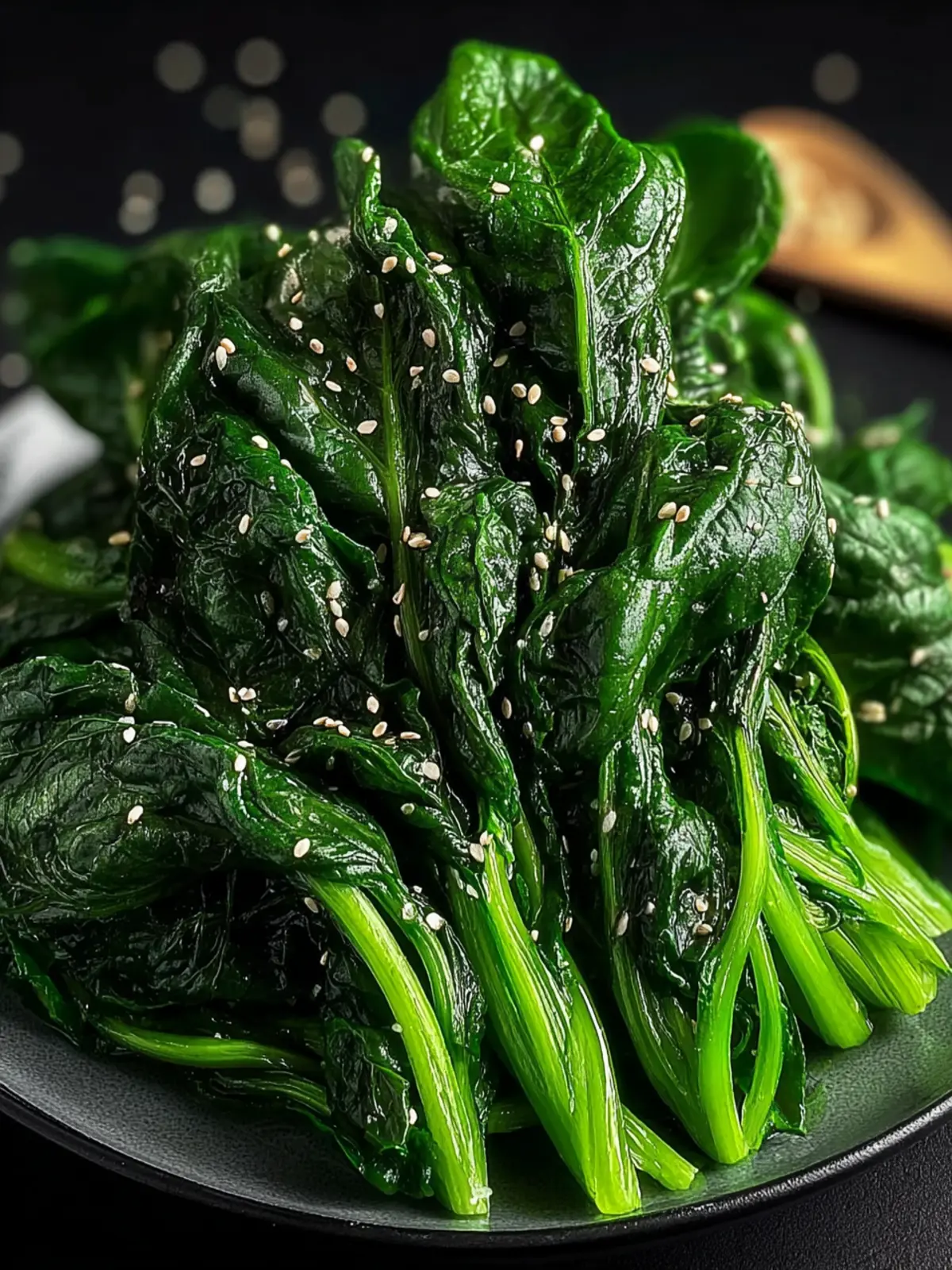
Korean Spinach Salad: Fresh, Flavorful, and Easy to Make

Introduction to Korean Spinach
Imagine sitting down to a delightful meal that not only satisfies your hunger but also transports you to the bustling streets of Seoul. That’s exactly what Korean spinach—known as “shirae” in the culinary world—brings to the table. This vibrant vegetable dish isn’t just a side; it’s a celebration of flavor and texture that elevates any Korean meal. Infusing earthy sesame flavors with a hint of umami, Korean spinach is a gentle reminder of the rich culinary traditions that define Korean cuisine.
Korean spinach offers a few simple yet powerful benefits. First, it’s a nutritional powerhouse, loaded with vitamins A, C, and K, along with essential minerals like iron and calcium. The tender leaves soak up the seasonings beautifully, creating a dish that is not only delicious but also guilt-free. Additionally, it’s straightforward to prepare, making it an excellent choice for busy professionals who want a healthy option without spending hours in the kitchen.
When prepared properly, Korean spinach is incredibly versatile. It can be served warm or cold, enjoyed as a side dish, or incorporated into a salad. Its fresh taste pairs wonderfully with grilled meats, rice, or even as a filling in wraps.
What makes Korean Spinach so special?
Korean spinach stands out not just for its flavor, but also for its cultural significance. Often seen in traditional Korean feasts, it embodies the concept of “namul,” which refers to seasoned vegetable dishes. The cooking method is simple: blanching the spinach brings out its bright green color while ensuring it remains crisp and tender. Then, it’s seasoned with a mix of soy sauce, sesame oil, garlic, and sesame seeds. This results in a delightful contrast of flavors and textures that dance in your mouth.
The preparation of Korean spinach is a communal experience in many households. Families gather around the table, sharing stories while enjoying this nutritious dish. It’s not just a recipe; it’s a way to connect with tradition, heritage, and loved ones. So, why not bring a bit of that Korean charm into your meals? Give this simple recipe a try and taste the magic of Korean spinach for yourself!
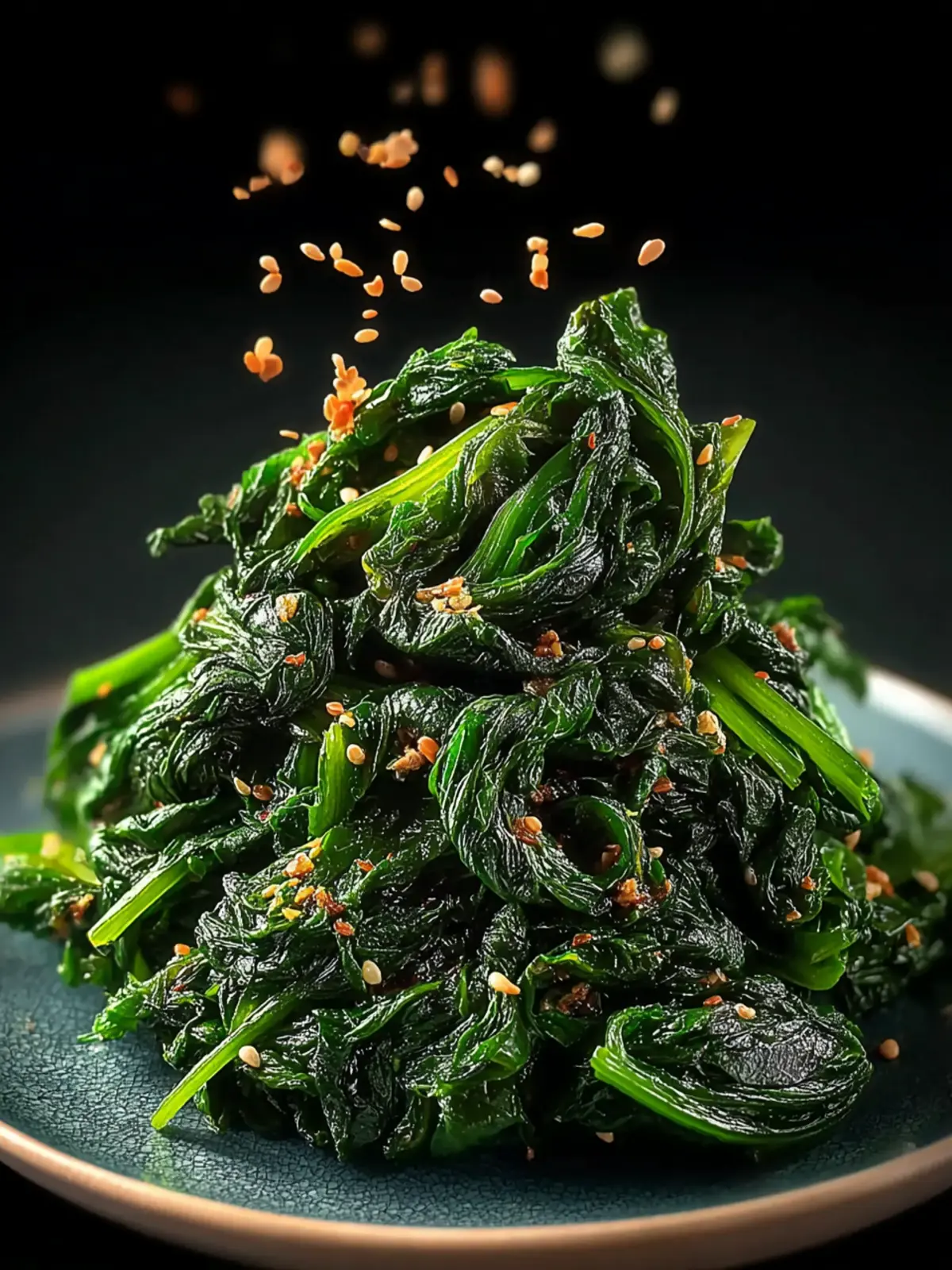
Key Ingredients for Korean Spinach
Korean spinach embodies simplicity and deep flavor, making it one of my favorite vegetable dishes to whip up after a long day. The balance of ingredients is essential for achieving that authentic taste—a true delight for your palate. Let’s take a look at the key components you’ll need to bring this dish to life.
-
Spinach: Fresh spinach is vital for this recipe. Its vibrant green leaves not only look inviting but also offer a tender texture, essential for that comforting experience when you take a bite. If it’s not in season, frozen spinach can work in a pinch, but fresh is always better.
-
Soy Sauce: This umami-packed ingredient delivers savory depth. Opt for a low-sodium variety to maintain control over the saltiness of the dish while still reaping all the flavor benefits.
-
Sesame Oil: A splash of sesame oil adds a distinct, nutty aroma, lifting the overall flavor profile of your Korean spinach. It’s a small quantity that goes a long way.
-
Garlic: Minced garlic enhances the dish with a fragrant kick. Freshly minced turns out best, as it retains more flavor than pre-minced varieties.
-
Sesame Seeds: Toasted sesame seeds not only enhance the look of your dish but also add a delightful crunch and nuttiness, making every mouthful exciting.
With these key ingredients, you’re well on your way to creating a delicious and satisfying side dish that complements any meal.
Why You’ll Love This Recipe
Korean spinach is not just a simple side dish; it’s a flavor-packed experience that can elevate any meal. Imagine sitting down to a vibrant plate filled with sautéed greens, infused with the rich, savory notes of sesame oil and soy sauce. There’s something deeply satisfying about this combination, and it can transport you to the bustling streets of Seoul with each bite.
One of the best aspects of korean spinach is its versatility. Whether you serve it warm alongside grilled meats or let it chill and add it to a refreshing salad, it adapts beautifully. In fact, this recipe is a fantastic way to incorporate more greens into your diet without feeling like a chore. Packed with vitamins and minerals, spinach supports your overall health, while the umami flavors keep your taste buds happy.
Not to mention, preparing Korean spinach takes minimal time, making it perfect for busy weeknights or an impromptu gathering with friends. The ingredients are simple and can often be found in your pantry, allowing you to whip up this dish whenever the craving strikes. Trust me, once you try this recipe, it will become a regular in your meal rotation!
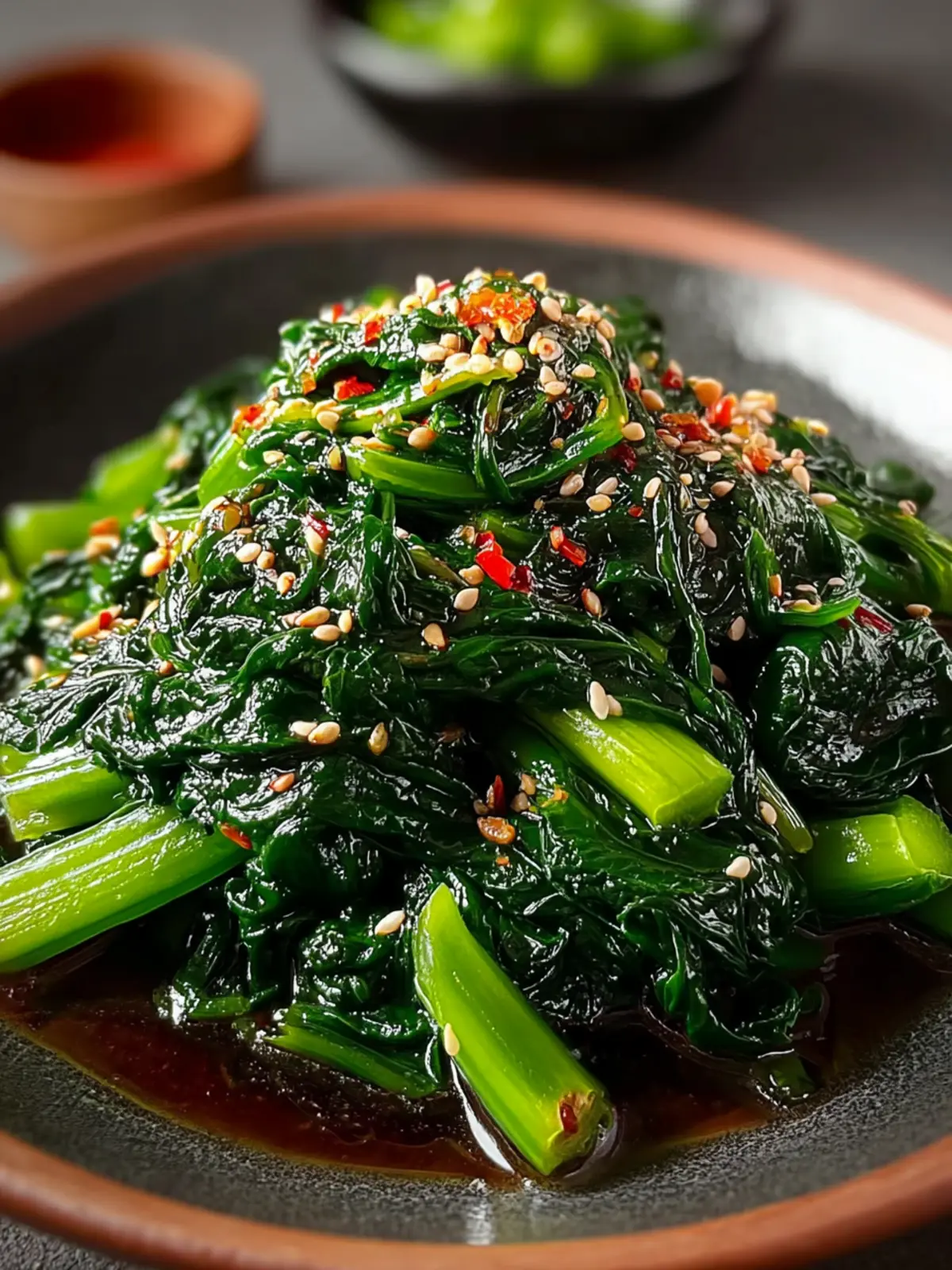
Variations on Korean Spinach
Exploring Korean spinach opens up a world of delicious variations that can enhance this staple dish in delightful ways. Each twist adds its own unique flavor while maintaining that comforting essence of the traditional recipe.
Adding Protein
One of the easiest ways to elevate your Korean spinach is by introducing protein. Adding a handful of tofu or some shredded chicken can make this dish more filling. For a plant-based option, consider incorporating edamame for that delightful bite and extra nutrients.
Flavor Boosters
Experimenting with seasonings can revolutionize your Korean spinach experience. Try tossing in some sesame oil, a splash of soy sauce, or even a pinch of chili flakes to spice things up. This not only brings a new depth to the dish but also satisfies those who crave a bold flavor.
Nutty Texture
Incorporate some toasted sesame seeds or crushed peanuts to introduce a crunchy texture that complements the soft, tender greens. The added crunch creates a delightful contrast while enriching the dish with healthy fats.
By embracing these variations, you can create a vibrant and customizable Korean spinach experience that keeps your taste buds excited.
Cooking Tips and Notes for Korean Spinach
Creating a flavorful dish using Korean spinach is a delightful journey through texture and taste. This unique leafy green, also known as “sigeumchi,” can easily elevate your meals. Here are some tips to enhance your cooking experience and ensure your dish turns out perfectly.
Choosing the Best Spinach
When selecting your Korean spinach, opt for vibrant green leaves with a crisp texture. The fresher the spinach, the more intense its flavor will be. If you can find it at a local Asian market, that’s your best bet. But don’t fret—regular spinach will work too if that’s all you have on hand!
The Importance of Blanching
Blanching is a crucial step in preparing your Korean spinach. This simple technique brightens the color and reduces any bitterness. Boil the spinach for just a minute, then quickly transfer it to ice water. This step not only enhances visual appeal but also retains nutrients that might otherwise be lost.
Seasoning Matters
In using soy sauce, sesame oil, and garlic, keep an eye on proportions. The balance of flavors is key to achieving a harmonious taste. Feel free to adjust based on your preference, but starting with small amounts helps ensure you don’t overpower the dish.
Cooking Time and Texture
Avoid overcooking your spinach to maintain its vibrant color and crunch. A quick sauté after blanching enhances the flavor while keeping the texture pleasantly firm. This method ensures that your Korean spinach retains a bit of bite and doesn’t turn mushy.
By keeping these tips in mind, you’ll transform your cooking experience and savor the delicious results of Korean spinach. Enjoy the process and the delightful flavors that this dish brings to your table!

Serving Suggestions for Korean Spinach
Korean spinach, known for its vibrant flavor and nutritional benefits, is a versatile side dish that can elevate any meal. One of my favorite ways to enjoy this dish is by serving it alongside a warm bowl of rice. The softness of the rice beautifully balances the firm yet tender texture of the seasoned spinach.
Pairing with Protein
If you’re looking for a more substantial meal, try serving Korean spinach with grilled chicken or marinated tofu. The rich umami flavors of the protein complement the subtle nuttiness of the spinach, creating a satisfying dining experience.
Incorporating into a Salad
Another great idea is incorporating Korean spinach into a refreshing salad. Toss it with some mixed greens, cherry tomatoes, and a light sesame dressing for a quick and nutritious lunch.
Versatile as an Appetizer
Hosting a gathering? Korean spinach can shine as an appetizer. Serve it cold in bite-sized portions with rice paper wraps or as part of a banchan platter alongside kimchi and pickled vegetables.
With these serving suggestions, you can transform your Korean spinach into an exciting and delightful addition to your meals.
Time Breakdown for Korean Spinach
Cooking up a plate of Korean spinach brings together both tradition and convenience. This side dish is not only delicious but also quick to prepare, making it perfect for your busy weeknight meals.
Preparation Time
Getting ready to make Korean spinach takes about 10 minutes. During this time, you’ll want to wash and trim the spinach, but don’t worry—it’s mostly hands-off!
Cooking Time
Once prepped, the cooking part is a breeze, taking just 5 minutes. Quick sautéing ensures the spinach retains its vibrant color and nutrients, delivering that authentic Korean taste to your table.
Total Time
In just 15 minutes, you can enjoy your homemade Korean spinach. This quick side dish is a fantastic addition to any meal, proving that healthy eating can be both simple and satisfying.
Nutritional Facts for Korean Spinach
Korean Spinach is not just a delicious addition to your meals; it’s also packed with nutritional benefits that make it a great choice for health-conscious eaters.
Calories
Per 100 grams of cooked Korean spinach, you’re looking at roughly 23 calories. This makes it an excellent option for anyone keeping an eye on their caloric intake while still wanting to enjoy a vibrant dish.
Protein
In that same serving size, you’ll find about 2.6 grams of protein. While it may not be a primary protein source, combining it with other protein-rich ingredients makes your meals more satiating and balanced.
Sodium
When it comes to sodium, cooked Korean spinach contains about 125 mg. While it’s naturally low in sodium, be mindful of how much salt you add during cooking to keep the overall sodium content in check.
Including Korean spinach in meals not only enhances flavor but also boosts your nutrition effortlessly.
FAQs about Korean Spinach
Korean spinach, or sigeumchi, is more than just a side dish; it’s a vibrant and flavorful addition to your meal. If you’re curious about making the most of this delicious ingredient, you might have some questions. Let’s dive into the most common queries.
Can I use frozen spinach for this recipe?
Absolutely, you can use frozen spinach in your Korean spinach preparation! Frozen spinach is a convenient alternative, especially if you’re pressed for time. Keep in mind that it’s generally more waterlogged than fresh spinach, so be sure to squeeze out excess moisture after thawing. This will help you achieve the desired texture and flavor, making your dish just as delightful.
What can I pair Korean Spinach with for a complete meal?
Korean spinach pairs beautifully with a variety of dishes. Consider serving it alongside:
- Grilled meats: Think bulgogi or teriyaki chicken for a delightful contrast.
- Rice: A bowl of steamed white or brown rice makes it a satisfying meal.
- Noodles: Try it with soba or ramen for a comforting noodle dish.
- Kimchi: Adding a side of kimchi can elevate your meal with that essential Korean zing!
The balance of flavors will surely make your dining experience memorable!
How do I store leftovers?
If you have any leftover Korean spinach, store it in an airtight container in the refrigerator. It will keep well for up to 3 days. When you’re ready to enjoy it again, you can simply reheat it on the stove or in the microwave, making it a quick and easy side for your next meal. If you find that it’s a bit soggy after refrigerating, a quick sauté can refresh its texture. Enjoy your delicious spinach again without any fuss!
Conclusion on Korean Spinach
Incorporating korean spinach into your culinary repertoire can enhance both your meals and your well-being. This nutritious green is not just versatile; it offers a delightful earthy flavor that elevates various dishes. Whether you enjoy it in traditional Korean recipes or experiment with new flavors, korean spinach can be a star ingredient.
As you explore its culinary potential, consider adding it to salads, stir-fries, or even as a side dish paired with rice. With its quick cooking time and impressive health benefits, it’s a sure way to brighten up any mealtime. Embrace korean spinach and enjoy the wholesome goodness it brings to your table!
Print
Sautéed Spinach with Sesame
- Total Time: 15 minutes
- Yield: 4 servings 1x
- Diet: Vegan
Description
A quick and nutritious sautéed spinach dish with sesame flavor.
Ingredients
Scale
- 1 pound fresh spinach (washed and trimmed)
- 1 tablespoon sesame oil
- 1 teaspoon soy sauce
- 1 clove garlic (minced)
- 1 teaspoon sesame seeds (toasted)
- 1 pinch salt
Instructions
- Bring a pot of water to a boil and blanch the spinach for 1-2 minutes until wilted.
- Remove the spinach and immediately transfer it to a bowl of ice water to stop the cooking process.
- Drain the spinach and squeeze out excess water.
- In a pan, heat the sesame oil over medium heat.
- Add the minced garlic and sauté for about 30 seconds until fragrant.
- Add the blanched spinach, soy sauce, and salt. Stir-fry for 1-2 minutes.
- Remove from heat and sprinkle with toasted sesame seeds before serving.
Notes
- Serving suggestion: Serve as a side dish with rice or noodles.
- This dish is best enjoyed immediately after cooking.
- Prep Time: 5 minutes
- Cook Time: 10 minutes
- Category: Vegetable Dishes
- Method: Sautéing
- Cuisine: Asian
Nutrition
- Serving Size: 1 cup
- Calories: 80
- Sugar: 1g
- Sodium: 200mg
- Fat: 6g
- Saturated Fat: 1g
- Unsaturated Fat: 5g
- Trans Fat: 0g
- Carbohydrates: 5g
- Fiber: 2g
- Protein: 3g
- Cholesterol: 0mg