Follow Me On Social Media!
Vegetarian Sushi Bowls: Easy, Flavor-Packed Goodness at Home

Introduction to Vegetarian Sushi Bowls
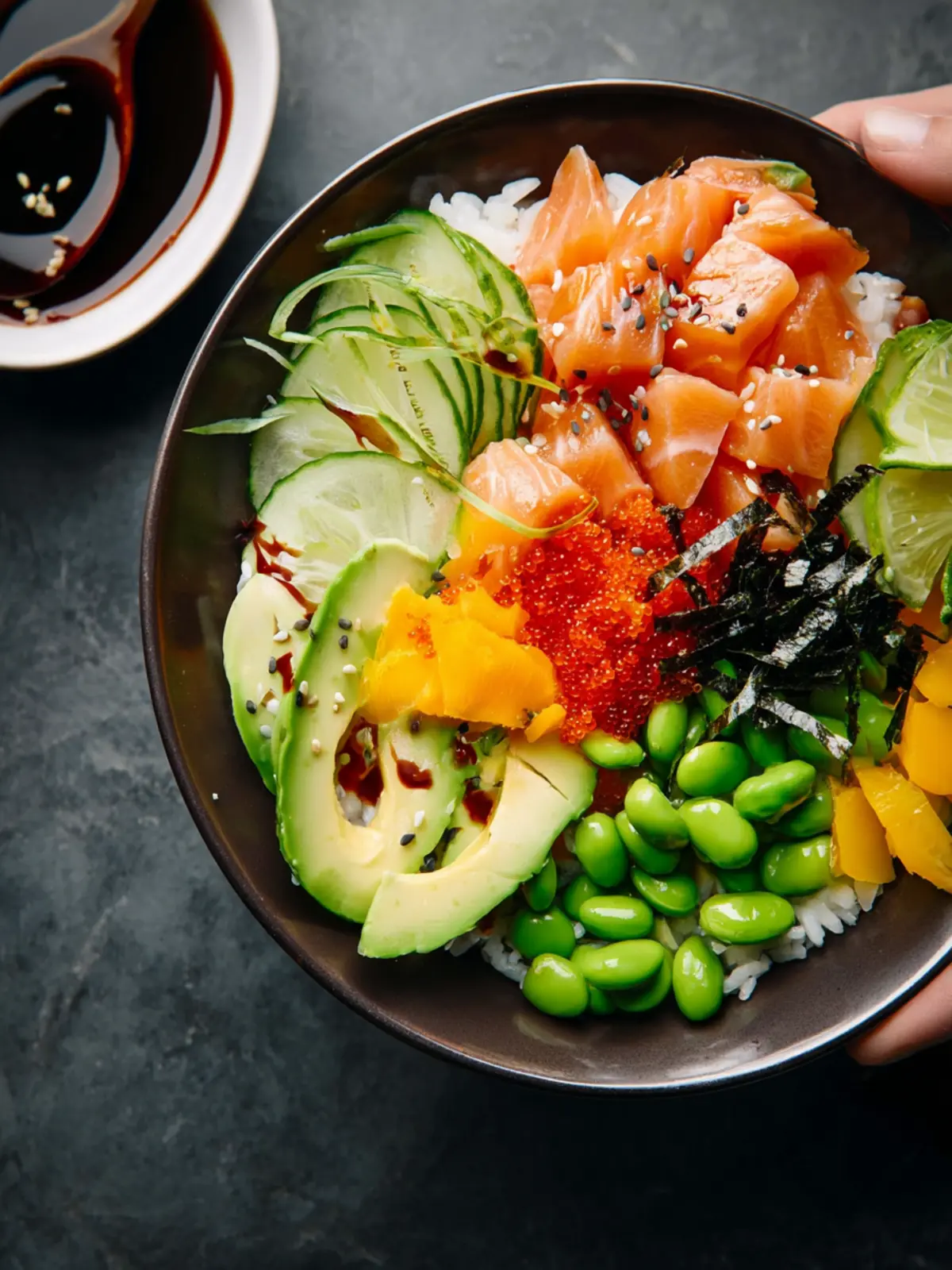
Vegetarian sushi bowls have become a go-to favorite for health enthusiasts and foodies alike, bringing a colorful twist to traditional sushi. Imagine sitting down with a bowl brimming with vibrant vegetables, perfectly cooked rice, and a melody of flavors that dance on your palate—this is the magic of vegetarian sushi bowls! Whether it’s the balance of textures between the creamy avocado and crunchy cucumber or the zing from fresh ginger, each bite takes you on a culinary adventure.
Creating a vegetarian sushi bowl is a delightful way to explore fresh produce, while also embracing the art of sushi-making without fish. This dish invites you to unleash your creativity, allowing you to customize every element based on your seasonal favorites or what you have on hand. The beauty of these bowls is their adaptability; you can keep them refreshing in the summer with cucumber and bell peppers or cozy in the winter with roasted sweet potatoes and mushrooms.
But what elevates vegetarian sushi bowls to true delight? The answer lies in the fresh ingredients and the care put into assembling them. Each bowl typically showcases a base of seasoned sushi rice, offering a gentle vinegary kick that pairs wonderfully with the accompanying toppings. Popular choices include:
- Creamy avocado: Adds richness and a velvety texture.
- Crisp cucumber: Provides freshness and a satisfying crunch.
- Colorful bell peppers: Bring sweetness and vibrant color to the bowl.
The toppings are just the beginning; a drizzle of soy sauce or a sprinkle of sesame seeds can elevate the experience. You may even consider adding a touch of wasabi or pickled ginger for an extra kick! By thoughtfully selecting your ingredients, you not only create a meal that’s visually appealing but also packed with nutrients.
As you prepare your own vegetarian sushi bowls, think about the delightful combinations you can create. It’s not just about filling a bowl; it’s about crafting a vibrant story served on a plate, one bite at a time.
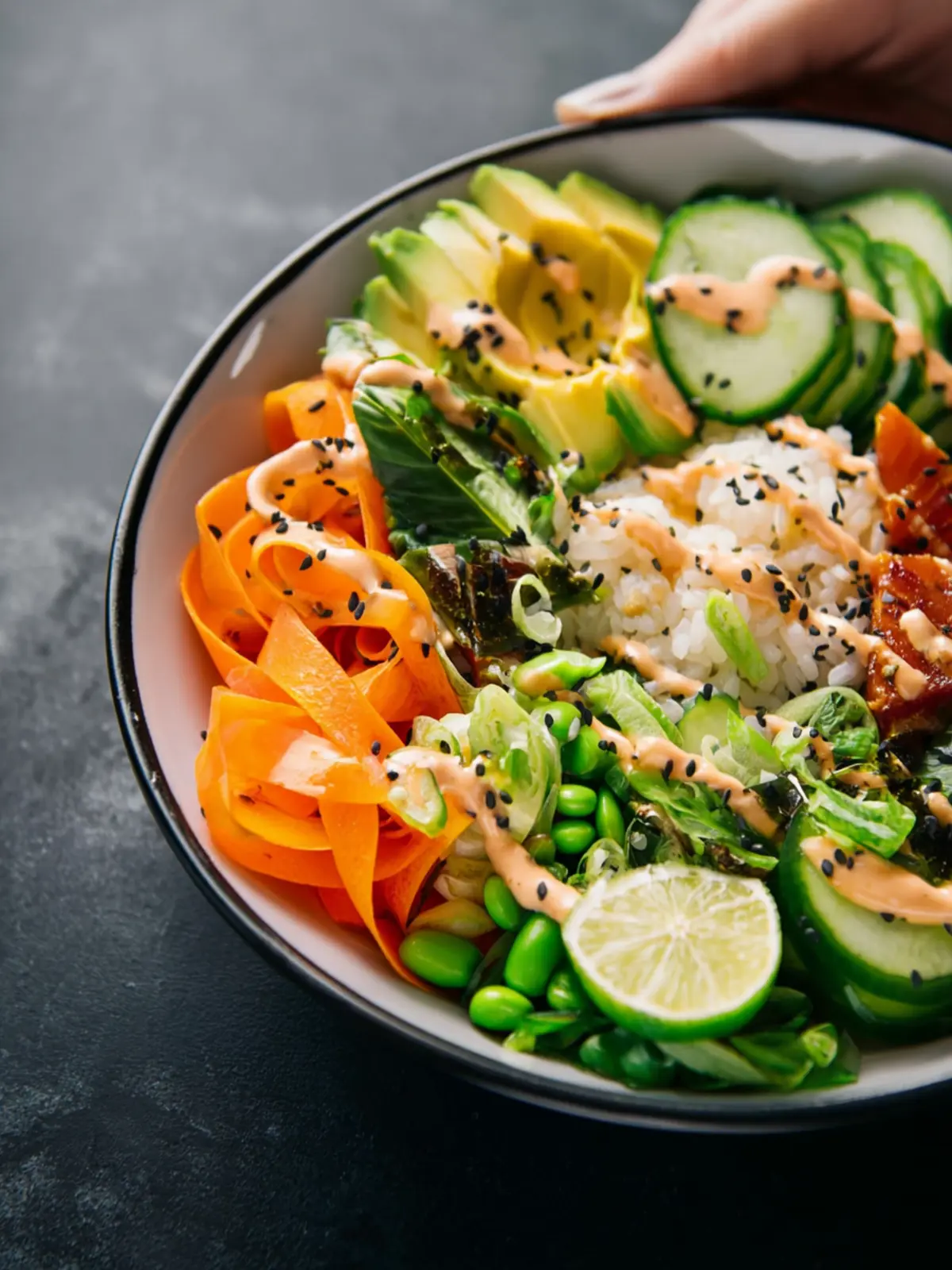
Key Ingredients for Vegetarian Sushi Bowls
Creating vegetarian sushi bowls at home is not just a fun cooking project; it’s an opportunity to personalize your meal. Here are the essential ingredients that will elevate your bowls from ordinary to extraordinary.
-
Sushi Rice: Sticky sushi rice is the foundation of any great sushi bowl. This short-grain rice is perfect for holding together all your delicious toppings and adds a subtle sweetness. Rinsing it before cooking helps achieve that perfect texture.
-
Rice Vinegar: A splash of rice vinegar adds a tangy flavor that complements the sushi rice beautifully. It helps to season the rice, giving it that authentic taste you crave.
-
Fresh Vegetables: Include a variety of colorful veggies like cucumber, avocado, and bell peppers. Each brings its unique crunch and flavor, making every bite delightful.
-
Tofu or Tempeh: For protein, consider marinated and grilled tofu or tempeh. They add savory depth to your bowls, making them satisfying and hearty.
-
Seaweed: Nori sheets, cut into strips, are perfect for a touch of umami. They add a sea-salt flavor that makes the dish feel truly authentic.
-
Sauces: Don’t forget your favorite sauces, like soy sauce or spicy mayo, to drizzle over the top. They enhance flavor and add a gourmet touch to your homemade vegetarian sushi bowls.
By thoughtfully selecting these ingredients, you’ll create a vibrant and nourishing meal that not only tastes incredible but also invites creativity and personalization to each bowl. Enjoy the process and have fun mixing and matching your favorites!
Why You’ll Love This Recipe
Creating vegetarian sushi bowls at home offers not just a meal, but a canvas for your culinary creativity. Picture this: you’ve had a long day at work, and the last thing you want is to spend hours in the kitchen. With this recipe, you can whip up a vibrant, delicious bowl that’s as delightful to make as it is to eat.
Fresh, Flavorful Ingredients
Imagine a wholesome mix of colorful vegetables, protein-rich tofu, and perfectly seasoned sushi rice. Each ingredient in these vegetarian sushi bowls serves a purpose, combining to create a dish that’s vibrant and satisfying. You’ll love how easy it is to customize each bowl according to your tastes or what’s fresh at the market.
Health Benefits
Not only are these bowls visually appealing, but they are also packed with nutrients. Full of fresh veggies and healthy fats, they’ll leave you feeling energized and nourished. Plus, the protein from tofu can help keep hunger at bay, making this dish not just beautiful, but functional.
Quick and Easy to Prepare
Whether you’re honing your kitchen skills or you’re a seasoned chef, this recipe is a breeze. In just a few simple steps, you can enjoy a meal that’s flavorful and fulfilling. Plus, it’s a great opportunity to gather with friends or family for a fun cooking session. You’ll find yourself making these bowls again and again!
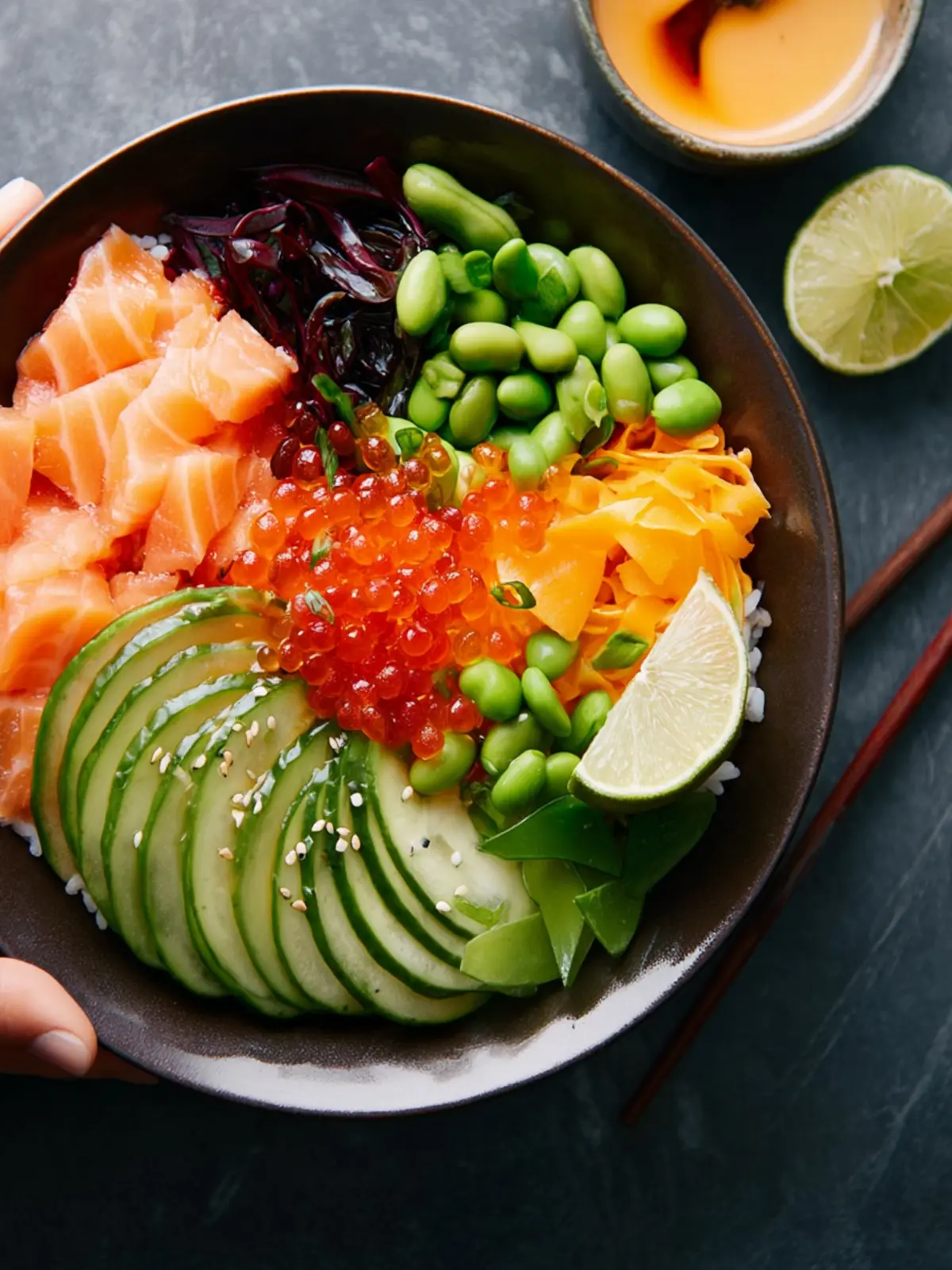
Tips for Making Perfect Vegetarian Sushi Bowls
Creating mouthwatering vegetarian sushi bowls at home can feel like a culinary adventure. There’s truly something special about crafting a dish that’s as colorful as it is delicious. Here are some essential tips to help you perfect this delightful meal.
Choose the Right Rice
Quality rice lays the foundation for your vegetarian sushi bowls. Opt for short-grain sushi rice, which is sticky enough to hold everything together. Rinse the rice until the water runs clear to remove excess starch and achieve a fluffy texture.
Balance Your Ingredients
The magic of a sushi bowl lies in the harmonious combination of flavors. Incorporate a mix of textures and colors—think creamy avocado, crunchy cucumbers, and tender roasted veggies. Don’t forget to sprinkle sesame seeds or nori strips on top for that authentic touch!
Prepare Your Toppings
Get a bit creative with your toppings. Marinated tofu, pickled ginger, and even a dash of sriracha or a drizzle of soy sauce can elevate your sushi bowl experience. Consider including seasonal vegetables for freshness and added nutritional value.
Serve Fresh
While it’s tempting to prepare everything in advance, serving your vegetarian sushi bowls fresh ensures the best flavor and texture. Assemble bowls just before serving for that vibrant, crisp experience.
These tips will guide you in creating visually stunning and flavorful vegetarian sushi bowls that are as fun to make as they are to eat!
Time Details for Vegetarian Sushi Bowls
Creating delicious vegetarian sushi bowls can be a delightful culinary journey, and understanding the time it takes can help you plan your meal prep better.
Preparation Time
The prep time for these flavorful bowls is approximately 15 minutes. This includes washing, slicing, and prepping all those vibrant veggies and aromatic ingredients that bring your sushi bowls to life.
Cooking Time
Since no actual cooking is involved with vegetarian sushi bowls, the cooking time is 0 minutes. That’s right—no stove or oven required!
Total Time
All together, you’re looking at a brisk total of 15 minutes to assemble your colorful and nutritious bowls. In no time, you’ll be serving a dish that’s as pleasing to the eye as it is to the palate!
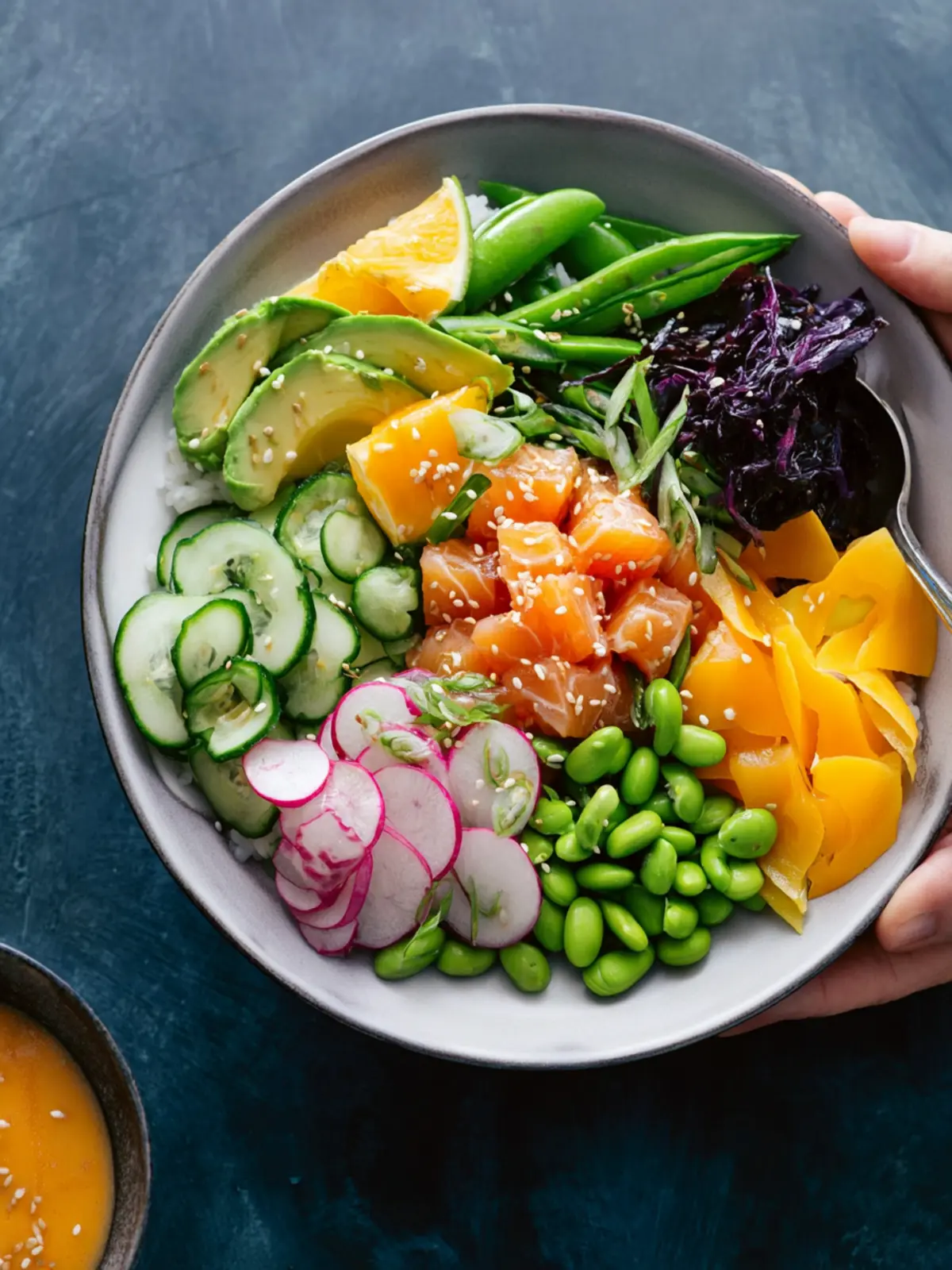
Nutritional Information for Vegetarian Sushi Bowls
When diving into the vibrant world of vegetarian sushi bowls, it’s essential to understand how rich and nutritious these meals can be. Packed with wholesome ingredients like rice, fresh vegetables, and protein-rich toppings, they cater not only to your taste buds but also your dietary needs.
Calories
A typical serving of vegetarian sushi bowls contains around 350-450 calories. This makes it a perfect option for a fulfilling lunch or dinner without compromising on flavor.
Protein
With an impressive protein content ranging from 15-20 grams per serving, vegetarian sushi bowls are a fantastic way to support muscle health and keep you satiated throughout the day. Ingredients like tofu and edamame contribute significantly to this protein powerhouse.
Sodium
Concerned about sodium intake? You’ll be pleased to know that a serving typically contains about 300-500 milligrams of sodium, depending on the added sauces and seasonings. This allows for a health-conscious meal that doesn’t skimp on taste, especially if you opt for low-sodium soy sauce.
Embrace these delightful bowls that not only nourish but also excite your palate!
FAQs about Vegetarian Sushi Bowls
Creating delicious and colorful vegetarian sushi bowls at home can raise many questions. Let’s dive into some of the most common inquiries to enhance your sushi bowl experience.
Can I use brown rice instead of sushi rice?
Absolutely! While traditional sushi rice offers a unique texture and flavor, brown rice can be a fantastic alternative. Brown rice adds a nuttier taste and extra nutrients, making your vegetarian sushi bowls even healthier. Just keep in mind that the cooking time and water ratio will differ. Aim for about 2 cups of water for every cup of brown rice and extend the cooking time slightly. This way, you’ll achieve a satisfying and hearty base for your bowls.
What other vegetables can I add to my sushi bowls?
The beauty of vegetarian sushi bowls lies in their versatility. Feel free to customize with your favorite veggies! Some popular choices include:
- Avocado: Creamy and rich, it adds a lovely texture.
- Cucumber: Adds a refreshing crunch.
- Radish: For a peppery bite.
- Bell peppers: They bring color and sweetness.
- Carrots: Shredded or julienned for extra crunch.
- Edamame: Boosts protein and adds a lovely pop.
Mix and match until you find your perfect combination!
How can I store leftovers?
If you find yourself with leftover vegetarian sushi bowls, don’t fret! Store them in an airtight container in the fridge for up to 2 days. To maintain freshness, keep ingredients like avocado separate, as it tends to brown. When you’re ready to indulge again, simply reassemble your bowl for a quick meal that’s still delicious!
With these tips, you can confidently create and enjoy your vegetarian sushi bowls, experimenting to find your ideal flavors and textures. Happy sushi making!
Conclusion on Vegetarian Sushi Bowls
Creating vegetarian sushi bowls is not just about satisfying your hunger; it’s a delightful culinary adventure! These bowls offer a vibrant explosion of flavors, textures, and colors, making each bite a joyful experience. Whether you’re in the mood for a quick lunch or a colorful dinner, these bowls are incredibly adaptable to your preferences.
As you experiment with different vegetables and toppings, you’ll discover that the possibilities are endless. They’re not only nutritious but visually stunning, making them perfect for impressing friends or simply treating yourself. Embrace the process and enjoy every delicious bite!
Print
Sushi Rice Bowl with Mango and Edamame
- Total Time: 45 minutes
- Yield: 4 servings 1x
- Diet: Vegetarian
Description
A delicious sushi rice bowl topped with fresh mango, creamy avocado, and crunchy vegetables, served with a spicy Sriracha mayo.
Ingredients
Scale
- 2 cups sushi rice (or short-grain rice)
- 2–1/4 cups water
- 3 tablespoons rice vinegar
- 2 tablespoons granulated sugar
- Salt
- 1/4 teaspoon sesame oil
- 1/4 cup mayo (I love Hellman’s/Best Foods)
- 1 tablespoon Sriracha (scale up or down to personal heat tolerance)
- 1 tablespoon lime juice
- 2 to 3 honey mangoes (also called yellow or Ataulfo)
- 1 (12-ounce) bag frozen shelled edamame
- 1 large avocado
- 2 to 3 Persian cucumbers
- 4 large carrots
- 1/4 cup reduced-sodium soy sauce (optionally plus extra)
- 1 tablespoon rice vinegar
- Seaweed sea salt snack (optional)
Instructions
- Place rice in a fine-mesh strainer and rinse under cold water until water runs clear. Tap out excess water to thoroughly drain, then transfer rice to a medium pot. Add in the 2-1/4 cup water. Bring to a full boil, cover, reduce heat to low, and simmer for 15 minutes, then keep the lid on but remove from heat and let stand for 15 minutes.
- In a small bowl, combine rice vinegar, sugar, and 1 teaspoon salt. Microwave for 15–20 seconds to warm the mixture, then stir until sugar is fully dissolved. Once rice is finished cooking and standing, pour about 1/3 of this mixture into the rice. Gently fold into the rice to combine. Repeat until all the vinegar seasoning is incorporated into the rice. Set aside.
- Meanwhile, bring a pot of 6 cups water to boil, then add in 1 tablespoon salt and the bag of frozen and shelled edamame. Cook for 2–3 minutes or until edamame is tender. Drain thoroughly and toss with salt to taste.
- In a small bowl, whisk together sesame oil, mayo, Sriracha, and lime juice. Whisk and taste, adding more Sriracha for a spicier sauce.
- Slice cucumbers in half lengthwise, then cut into thin half moons, about 1/4-inch thick. To make carrot ribbons, lay a large carrot flat on a cutting board. Using a vegetable peeler, peel along the length of the carrot to create a ribbon. Repeat, rotating the carrot as necessary, until the carrot is too thin to peel. Repeat with remaining carrots. Remove peel and pit of avocado and thinly slice or chop. Peel mango with a vegetable peeler and cut the two halves off the large center pit. Dice halves into bite-sized pieces.
- In a small bowl, mix together soy sauce and 1 tablespoon rice vinegar. Stir.
- Divide rice evenly among four bowls. Top with edamame, carrots, avocado, and cucumber. Drizzle everything evenly with soy sauce and rice vinegar mixture. Top with Sriracha mayo, along with seaweed snack sheets.
Notes
- Notes: Honey mangoes are also known as Ataulfo mangoes, which have a creamy texture and sweet flavor.
- Prep Time: 30 minutes
- Cook Time: 15 minutes
- Category: Main Course
- Method: Boiling, Mixing
- Cuisine: Japanese
Nutrition
- Serving Size: 1 bowl
- Calories: 450
- Sugar: 12g
- Sodium: 800mg
- Fat: 20g
- Saturated Fat: 3g
- Unsaturated Fat: 15g
- Trans Fat: 0g
- Carbohydrates: 60g
- Fiber: 6g
- Protein: 10g
- Cholesterol: 20mg