Follow Me On Social Media!
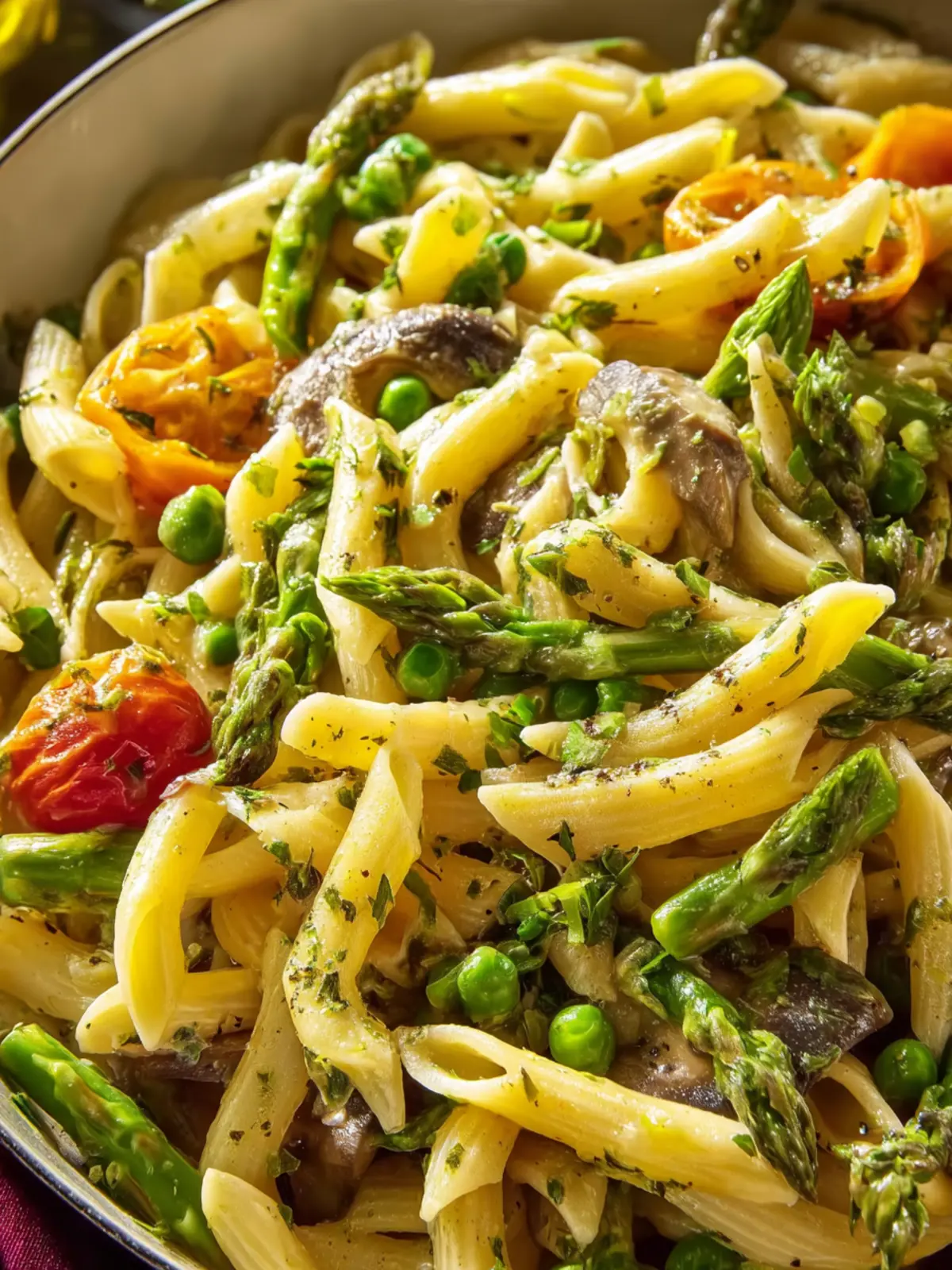
Pasta Primavera: Irresistibly Fresh with a Creative Twist

Introduction to Pasta Primavera
Pasta Primavera is more than just a dish; it’s a celebration of vibrant, fresh vegetables infused with delightful flavors. Originating from Italy, its name translates to “spring pasta,” hinting at the seasonal bounty that inspires its ingredients. Picture yourself sitting at a sun-drenched patio, the aroma of garlic and herbs wafting through the air, while colorful veggies dance on your plate. Isn’t that just the kind of meal we all crave after a long day?
This dish shines particularly bright because it’s not only stunning to look at but also incredibly versatile. Here’s what makes Pasta Primavera a go-to dish for so many food lovers:
What Makes Pasta Primavera a Go-To Dish?
-
Seasonal Appeal: Pasta Primavera celebrates the seasonal freshness of vegetables. Whether it’s crisp bell peppers, tender zucchini, or juicy cherry tomatoes, you can easily swap ingredients based on what’s in season or what you have on hand. This adaptability means you can enjoy it all year round!
-
Health Conscious: If you’re looking to sneak more veggies into your diet, this dish is perfect. Packed with nutrients from a variety of colorful vegetables, Pasta Primavera offers a wholesome meal that doesn’t skimp on flavor. It’s a delicious way to meet your daily vegetable intake without feeling deprived.
-
Quick and Easy: For busy young professionals, one of the best parts about Pasta Primavera is its simplicity. In under 30 minutes, you can create a satisfying meal that feels gourmet. This makes it a fantastic option for weeknight dinners or impromptu gatherings with friends.
-
Customization: Another beauty of Pasta Primavera lies in its flexibility. You can easily adjust the recipe with your favorite herbs, add a splash of cream for richness, or toss in some protein like grilled chicken or shrimp. The potential for creativity ensures that no two versions have to be the same.
So, whether you’re whipping it up for a solo dinner, a family feast, or to impress friends, Pasta Primavera is sure to hit the spot!
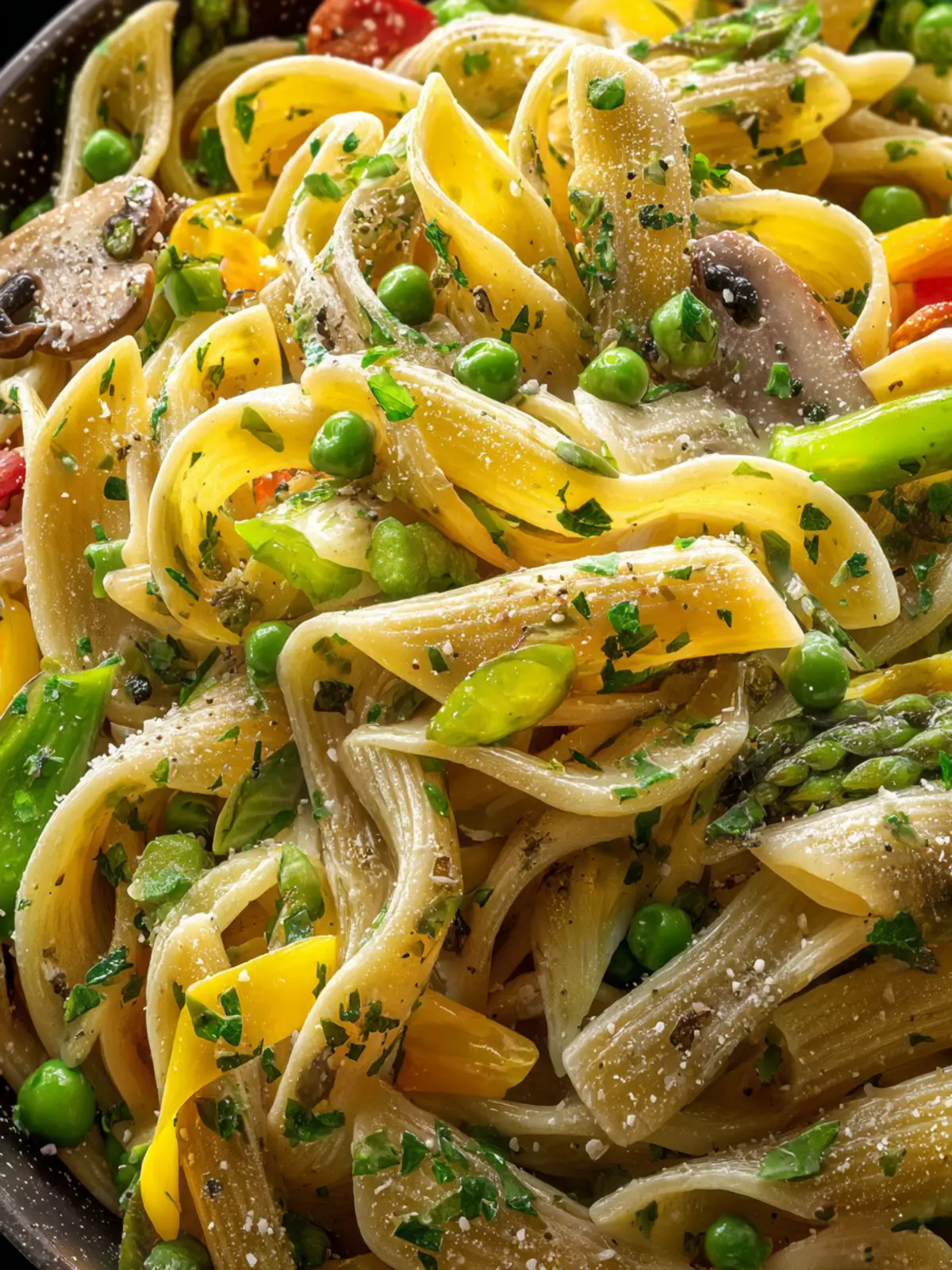
Key Ingredients for Pasta Primavera
Pasta Primavera is a delightful dish that showcases the vibrant flavors of fresh vegetables balanced perfectly with pasta. It’s not just a meal; it’s a celebration of seasonal produce!
Pasta: Start with a good quality pasta; I prefer using spaghetti or penne for their ability to hold onto sauce and flavors. Whole wheat pasta can also be a nutritious alternative without sacrificing taste.
Fresh Vegetables: The cornerstone of Pasta Primavera is an array of colorful vegetables. I typically use bell peppers, zucchini, asparagus, and cherry tomatoes. Each vegetable not only adds unique flavors but also vibrant colors that make your plate pop.
Olive Oil: A generous drizzle of extra virgin olive oil elevates the entire dish, infusing it with a rich, aromatic flavor that complements the vegetables beautifully.
Garlic: Fresh minced garlic gives a robust flavor that pairs well with the veggies. It’s one of those ingredients that can completely transform your dish.
Herbs: Fresh basil and parsley are my go-to herbs; they provide a refreshing finish that ties all the flavors together beautifully. Don’t skimp on these!
Parmesan Cheese: A sprinkle of freshly grated Parmesan adds a salty, nutty flavor that rounds out the dish perfectly, creating a delicious contrast to the freshness of the vegetables.
Why You’ll Love This Pasta Primavera
Pasta Primavera is not just a dish; it’s a delightful celebration of vibrant vegetables and hearty pasta that makes healthy eating a joy rather than a chore. Imagine twirling your fork around golden strands of spaghetti, only to be greeted by an explosion of colors from fresh produce. It’s the perfect way to elevate a weeknight dinner or impress friends at your next gathering.
The beauty of Pasta Primavera lies in its versatility. You can customize it to embrace the seasonal bounty of your local farmer’s market or clean out your fridge. There’s something exhilarating about choosing the freshest vegetables—from crisp bell peppers to tender zucchini—that makes cooking feel less like a task and more like an art form.
Not only is this dish visually stunning, but it’s also a nutritional powerhouse. Packed with vitamins, minerals, and antioxidants, it supports a healthy lifestyle without sacrificing flavor. Plus, it’s a breeze to prepare, leaving you free to savor every bite rather than spending hours in the kitchen.
When you serve Pasta Primavera, you’re not just sharing a meal; you’re inviting others to enjoy a delicious, nourishing experience. So why wait? Dive into this celebration of flavors, textures, and colors today!
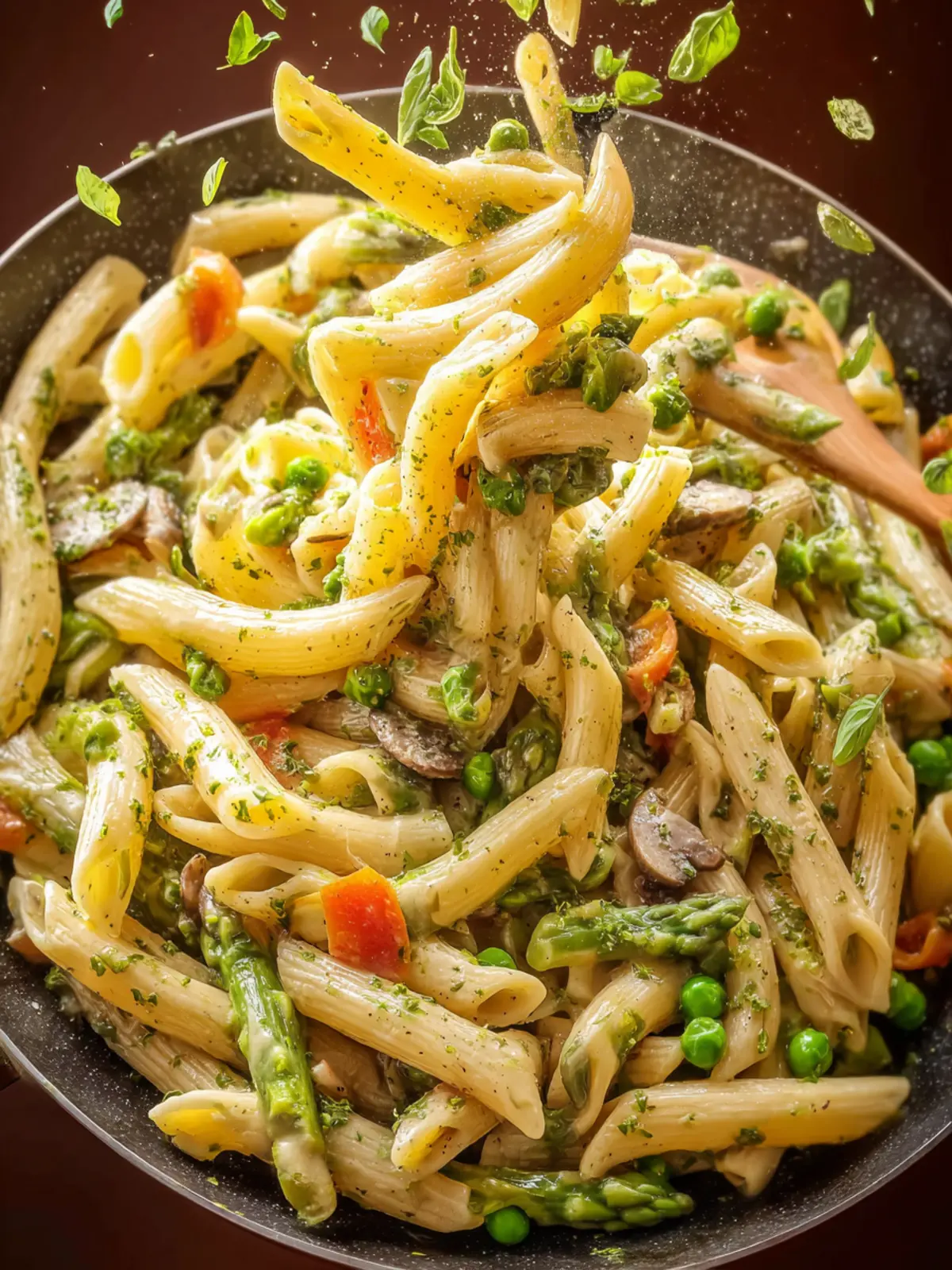
Variations of Pasta Primavera
When it comes to Pasta Primavera, the beauty lies in its flexibility. This dish can easily adapt to whatever vegetables you have on hand, making it a delightful canvas for your culinary creativity.
Classic Vegetable Medley
The traditional take usually features a vibrant mix of seasonal vegetables. Think bell peppers, zucchini, and cherry tomatoes, all sautéed to perfection. This combination not only offers a burst of color but also provides a balanced flavor profile that complements the pasta beautifully.
Add Protein for a Hearty Meal
If you’re looking to turn your Pasta Primavera into a filling dish, consider adding a protein source. Grilled chicken, shrimp, or even chickpeas can boost the nutrition and make it more satisfying. You can toss these in at the last minute to ensure they remain tender and juicy.
Explore Different Sauces
While a light olive oil and garlic sauce reigns supreme in classic Pasta Primavera, don’t shy away from experimenting. A creamy Alfredo or a zesty pesto can offer a whole new flavor experience. The trick is to choose a sauce that complements your vegetable choices.
Spice it Up
Finally, don’t forget the seasonings! Fresh herbs like basil or parsley are always a hit, but a pinch of red pepper flakes can add a delightful heat.
Each of these variations allows you to make Pasta Primavera uniquely yours, ensuring you enjoy a dish that’s both nourishing and exciting every time.
Cooking Tips and Notes for Pasta Primavera
Cooking Pasta Primavera is like painting with flavors—each vegetable and pasta shape adds a unique brushstroke to your dish. With a few tricks up your sleeve, you can transform this seemingly simple recipe into a vibrant masterpiece.
Choose Seasonal Vegetables
Using fresh, seasonal veggies not only enhances the flavor but also boosts the nutritional value of your Pasta Primavera. Local farmers’ markets often have a bounty of colorful options like zucchini, bell peppers, and cherry tomatoes. When shopping, remember that the fresher the vegetable, the better the dish will taste.
Al Dente Is Key
The perfect pasta texture is crucial for Pasta Primavera. Aim for al dente—cooked but still firm to the bite. This not only helps the pasta hold up against the sautéed vegetables but also avoids a soggy dish. A good rule of thumb is to check the pasta 2 minutes before the package instructions suggest.
Balance Flavors
Experiment with a variety of herbs and spices to elevate your dish. Fresh basil, parsley, or a dash of red pepper flakes can introduce a delightful kick. If you’re unsure, start small—it’s easy to add more but hard to take it out!
Mind the Sauce
When making the sauce, consider the oil-to-vegetable ratio. A drizzle of olive oil is perfect for a light coat, but ensure the sauce doesn’t overpower the vegetables. Aim for a harmonious blend where every bite is a delightful symphony of flavor.
With these tips, your Pasta Primavera will not only satisfy the palate but also create a dish that’s as beautiful as it is delicious!
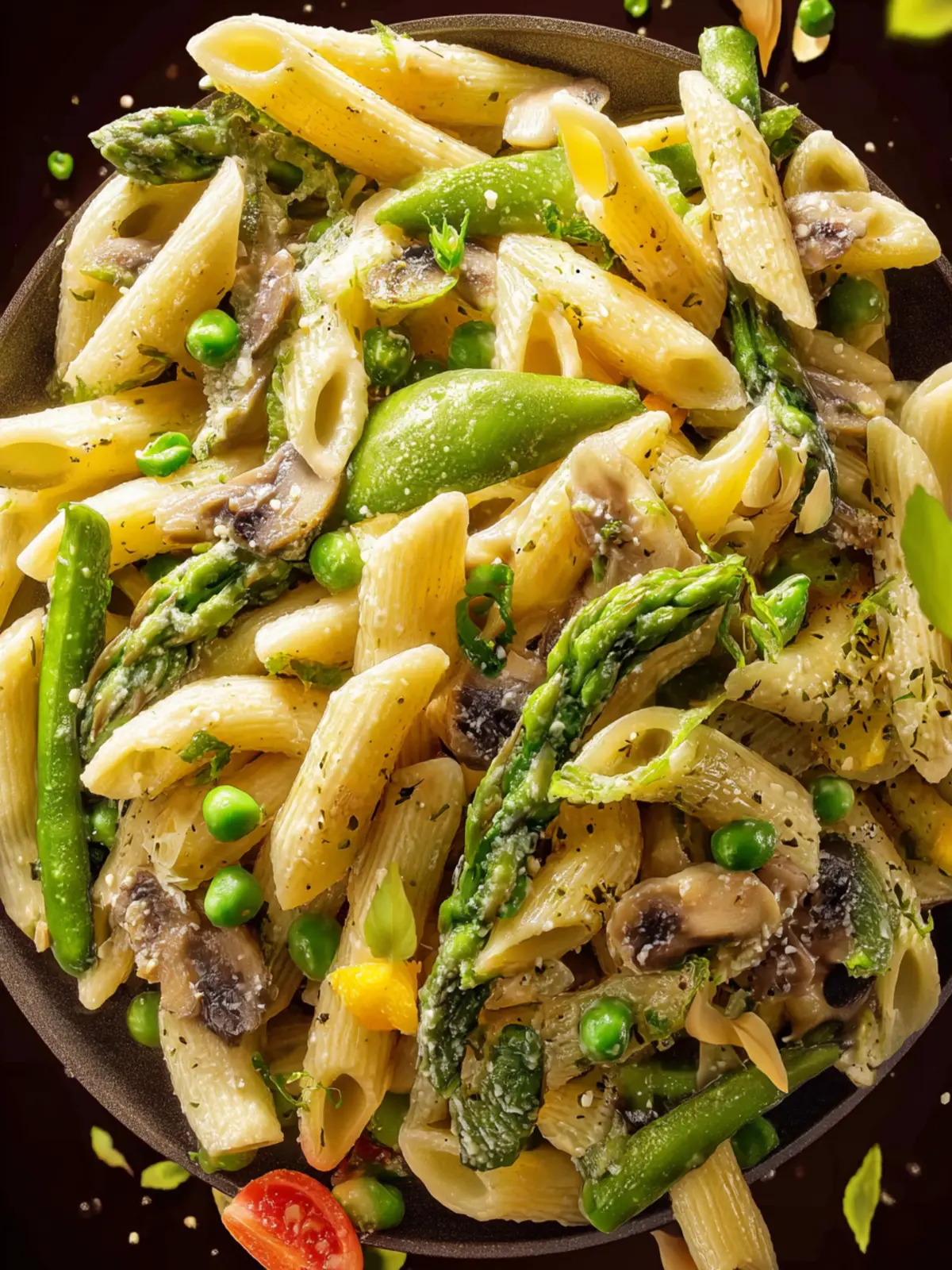
Serving Suggestions for Pasta Primavera
Pasta Primavera is more than just a delightful feast for the taste buds; it’s a canvas for creativity and harmony on your dinner plate. Picture this: the vibrant colors of seasonal vegetables mingling with twirls of pasta, all drizzled with olive oil. When you’re ready to serve this masterpiece, the possibilities are endless!
Complementary Protein Choices
Adding a protein source to your Pasta Primavera can elevate the dish and make it heartier. Consider:
- Grilled Chicken: A popular option that pairs beautifully with the light, fresh flavors of the veggies.
- Shrimp: Lightly sautéed shrimp will add a hint of the sea and enhance the dish’s elegance.
- Chickpeas: For a vegetarian twist, roasted chickpeas provide a satisfying crunch and protein boost.
Garnishing for Flavor
Never underestimate the power of garnishes in taking your Pasta Primavera to the next level. Here are a few ideas:
- Fresh Herbs: Chopped basil or parsley sprinkled on top adds a burst of freshness.
- Lemon Zest: A hint of citrus can brighten the entire dish—just a little zest goes a long way!
- Parmesan Cheese: Grated or shaved, it introduces a savory richness that complements the garden-fresh elements.
Sides and Salads
For a complete meal experience, consider serving your Pasta Primavera alongside:
- Garlic Bread: Warm, crispy bread is a classic that never fails to please.
- Mixed Greens Salad: A light salad with a tangy vinaigrette offers a refreshing contrast to your pasta dish.
Crafting a dinner around Pasta Primavera not only satisfies your hunger but also encourages creativity and enjoyment at the table. Dig in!
Time Breakdown for Pasta Primavera
Preparing a delightful Pasta Primavera can be a breeze, especially when you know how to manage your time effectively. This vibrant dish effortlessly combines the freshness of vegetables with the comforting nature of pasta, making it perfect for any occasion. Let’s explore how to break down the time needed for this uncomplicated yet flavorful meal.
Preparation Time
Getting everything ready for your Pasta Primavera takes about 10 to 15 minutes. This includes washing and chopping fresh vegetables like bell peppers, zucchini, and asparagus, and measuring out your pasta.
Cooking Time
Once you’re prepped, the cooking process is swift—around 15 to 20 minutes. You’ll boil the pasta, sauté the veggies, and toss everything together in no time!
Total Time
By combining both preparation and cooking, the total time for your Pasta Primavera comes to approximately 30 to 35 minutes. It’s a fantastic option for a weeknight dinner when you want something delicious yet quick!
Nutritional Facts for Pasta Primavera
When it comes to enjoying a vibrant, delicious Pasta Primavera, understanding its nutritional facts can enhance your dining experience. This dish, packed with colorful vegetables and a light sauce, is not only wholesome but also provides a well-balanced profile for a satisfying meal.
Calories
A typical serving of Pasta Primavera contains about 320 calories. This makes it an excellent choice for a lighter dinner option without skimping on flavor.
Protein
Surprisingly nutritious, this dish offers 12 grams of protein per serving. Thanks to the combination of pasta and vegetables, you’ll enjoy a great boost to your daily protein needs.
Sodium
With approximately 600 milligrams of sodium, Pasta Primavera keeps it relatively low, especially compared to many other pasta dishes. This can be beneficial for those watching their sodium intake while still enjoying a full-flavored meal.
By savoring a warm bowl of Pasta Primavera, you’re not just delighting your taste buds, but you’re also fueling your body with important nutrients.
FAQ about Pasta Primavera
Pasta Primavera is a delightful dish that bursts with fresh flavors and vibrant colors, making it a favorite among those who love vegetables. With its origins often linked to Italian-American cuisine, this pasta dish is a canvas where your creativity can shine through.
Can I use different vegetables?
Absolutely! One of the best aspects of Pasta Primavera is its versatility. Feel free to mix and match seasonal vegetables like bell peppers, zucchini, carrots, and asparagus. Broccoli, snow peas, and cherry tomatoes also make excellent additions. The key is to keep the vegetables roughly equal in size to ensure even cooking. If you have leftover veggies in your fridge, toss them in—you might discover a new favorite combination!
How can I make it vegan?
Making Pasta Primavera vegan is straightforward and delicious. Start by substituting any cheese or butter in the recipe with plant-based alternatives. Use olive oil or vegan butter for sautéing. For a cheesy flavor, consider nutritional yeast or a store-bought vegan parmesan. Lastly, choose a pasta made from durum wheat or lentils, which are often naturally vegan.
What pasta alternatives can I use?
If you’re looking for alternatives to traditional pasta in your Pasta Primavera, you have plenty of options! Zucchini noodles or spaghetti squash are great for a low-carb option. Whole grain pasta will add more fiber, while gluten-free pasta varieties made from brown rice or quinoa can accommodate dietary restrictions. Just remember to adjust the cooking time according to the type of pasta you choose to ensure it’s cooked perfectly!
Conclusion on Pasta Primavera
Creating Pasta Primavera is not just a culinary task; it’s a celebration of vibrant, fresh vegetables combined with the comforting embrace of pasta. Each ingredient sings in harmony, making every bite a testament to the joys of wholesome cooking. Whether you’re looking to impress dinner guests or simply enjoy a cozy night in, this dish is versatile enough for any occasion.
Don’t shy away from experimenting with seasonal vegetables; they can add an exciting twist to your classic recipe. So, gather your favorite veggies, dress them in a delightful sauce, and savor the experience of making your own Pasta Primavera. Happy cooking!
Print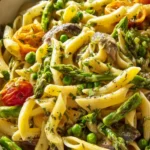
Pasta with Seasonal Vegetables and Cheese
- Total Time: 35 minutes
- Yield: 4 servings 1x
- Diet: Vegetarian
Description
A delightful pasta dish featuring seasonal vegetables and a creamy cheese sauce.
Ingredients
Scale
- 12 oz penne (sub farfalle or fusilli + salt for pasta water)
- 2 tablespoons extra virgin olive oil
- ½ onion (chopped)
- 3 cloves garlic (grated)
- 2 cups mushrooms (button or cremini)
- 1½ cups asparagus (trimmed and cut into 1-inch pieces)
- 1 medium zucchini (quartered lengthwise and sliced)
- 1 cup frozen peas (no need to thaw)
- 1 cup zucchini flowers (stem removed and gently torn – optional but lovely)
- ½ cup Greek yogurt
- ½ cup Parmigiano Reggiano (grated, sub Grana Padano or Parmesan)
- ¼ cup Pecorino Romano (grated, optional – sub more parmesan)
- 1 teaspoon lemon zest (juice is optional)
- 1 handful fresh herbs (choose basil, thyme, or parsley)
Instructions
- Sauté the Vegetables: In a large skillet, heat 2 tablespoons extra virgin olive oil over medium heat. Add ½ onion cooking for a couple of minutes until fragrant and soft. Add 2 cups mushrooms, 1½ cups asparagus, and 3 cloves garlic, season with salt and pepper, and cook until they release moisture and start to brown (3 – 4 minutes) 1 medium zucchini, cooking for a few more minutes. Stir in 1 cup frozen peas and cook until warmed through. Turn heat off, add 1 cup zucchini flowers trimming off their stem and folding them in gently to wilt slightly. Taste and adjust for salt.
- Cook the Pasta: Cook 12 oz penne in a large pot of salted boiling water as per package instructions minus 1 minute. Reserve 1 cup pasta water before draining.
- Add Pasta and Cheese: Add the cooked pasta and ¼ cup of reserved pasta water to the skillet with the vegetables over medium heat for 1 minute, stirring to combine off the heat, then stir in ½ cup Greek yogurt, ½ cup Parmigiano Reggiano, ¼ cup Pecorino Romano, and 1 teaspoon lemon zest gently until the cheese melts and the sauce becomes creamy more pasta water as needed to loosen the sauce. Taste and season with salt, and add extra Parmesan if desired.
- Serve Immediately: Plate and garnish with more cheese and 1 handful fresh herbs of choice.
Notes
- Use seasonal vegetables for the best flavor.
- Feel free to substitute any cheese you prefer.
- This dish is best enjoyed fresh but can be reheated gently.
- Prep Time: 15 minutes
- Cook Time: 20 minutes
- Category: Dinner
- Method: Stovetop
- Cuisine: Italian
Nutrition
- Serving Size: 1 plate
- Calories: 450
- Sugar: 3g
- Sodium: 450mg
- Fat: 18g
- Saturated Fat: 5g
- Unsaturated Fat: 10g
- Trans Fat: 0g
- Carbohydrates: 60g
- Fiber: 6g
- Protein: 15g
- Cholesterol: 20mg