Follow Me On Social Media!
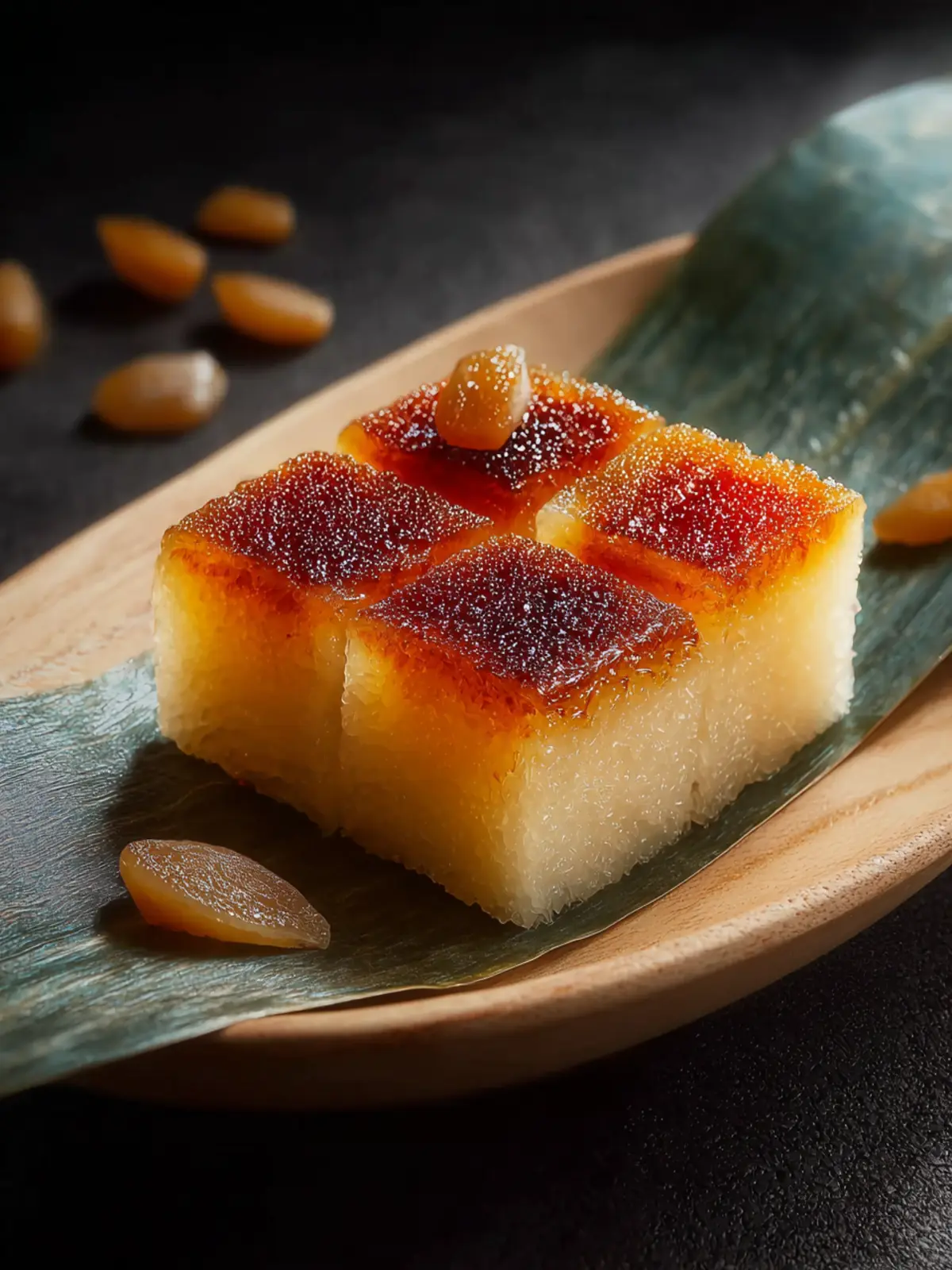
Nian Gao: Enjoy Chewy Mochi Cake for Good Fortune Bliss

Introduction to Nian Gao: Enjoy Chewy Mochi Cake That Guarantees Good Fortune
There’s something enchanting about Nian Gao, a traditional Chinese mochi cake that not only captures your taste buds but also promises good fortune in the year ahead. As the story goes, families across China and in many Asian communities around the world gather to enjoy this delightful dessert during the Lunar New Year celebrations, believing that its sticky texture symbolizes unity and prosperity.
What is Nian Gao and its significance?
Nian Gao, which translates to “year cake,” is made primarily from glutinous rice flour and water, resulting in a chewy, sweet treat that is beloved for its unique texture. Often flavored with ingredients like coconut milk, red bean paste, or even savory elements like Chinese sausages, this versatile cake can be enjoyed in various ways. Cooking methods can include steaming, pan-frying, or even baking, making it a delightful addition to any meal or snack.
The significance of Nian Gao goes beyond its deliciousness; it is deeply intertwined with cultural traditions and beliefs. Each bite of this chewy cake is thought to bring abundance and prosperity, as the words for “sticky” (黏, nián) and “year” (年, nián) sound similar in Mandarin. This phonetic connection makes it a quintessential dish for New Year festivities, as families hope to stick together and enjoy a year filled with good luck and happiness.
Whether you are making Nian Gao for the first time or are looking to perfect your family recipe, the experience can be quite rewarding. Picture the fragrant aroma wafting through your kitchen and the smiles on your loved ones’ faces as they savor this special treat. It’s more than just a dessert—it’s a celebration, a tradition, and a way to connect with your heritage.
In the following sections, we’ll guide you through a simple yet authentic recipe, making it easy for you to whip up your own batch of Nian Gao and join in the joy that it brings. Get ready to experience the wonderful flavors and warmth of this cherished mochi cake!

Key Ingredients for Nian Gao
When diving into the world of Nian Gao, also known as sticky rice cake, the choice of ingredients is crucial for achieving that perfect chewy texture. This delightful treat, which symbolizes good fortune, comes alive with a few key components.
-
Glutinous Rice Flour: The backbone of Nian Gao, glutinous rice flour delivers the signature chewy and sticky texture that makes this cake so special. It’s important to use glutinous rice flour rather than regular rice flour to ensure you capture that mochi-like consistency.
-
Water: Simple yet vital, water hydrates the glutinous rice flour to create a smooth batter. I find that warm water helps in dissolving the flour more easily, allowing the ingredients to meld into a silky mixture.
-
Sugar: Traditional recipes often call for granulated sugar, which adds just the right amount of sweetness to balance the natural richness of the rice. You can adjust the sweetness to your preference, but don’t skimp too much; it enhances the flavor beautifully.
-
Cooking Oil: A little neutral oil not only helps to grease the steaming pan but also adds a subtle richness to the texture. This small addition can make a noticeable difference in achieving a tender cake.
-
Optional Ingredients: While the core elements are essential, many people like to personalize their Nian Gao with fillings. Ingredients like red bean paste or grated coconut can elevate the flavor and add a delightful surprise in every bite.
With these key ingredients, you’re well on your way to creating a delicious batch of Nian Gao that is not just a dessert but a symbol of prosperity and joy in every slice.
Why You’ll Love This Nian Gao Recipe
Nian Gao, the chewy mochi cake steeped in tradition, is more than just a delightful treat; it’s a symbol of luck and prosperity in many Asian cultures. When I first discovered this dish during a Lunar New Year gathering, I was captivated by its unique texture and rich, subtly sweet flavor that transports you back to family celebrations. Each slice of Nian Gao feels like a little piece of history, promising good fortune to all who partake.
Perfectly Chewy Texture
The key to mastering this dessert lies in the desire for that perfect chewy, mochi-like consistency. Unlike some cakes that crumble easily, Nian Gao offers a satisfying bite that’s both comforting and fun to eat. For those late-night snacks or cozy gatherings, this texture becomes an instant crowd favorite, sparking genuine conversations about the traditions and stories behind it.
Simple Ingredients, Delicious Results
Crafting Nian Gao requires just a handful of ingredients. The combination of glutinous rice flour and water creates that signature chewiness. Steamed to perfection, each bite brings warmth and nostalgia. It’s a simple yet elegant recipe that encourages creativity; you can add flavors like red bean paste or coconut to personalize it.
A Symbol of Good Fortune
Whether shared among friends or enjoyed solo, each piece of Nian Gao serves as a reminder of the blessings and fortune that the New Year holds. Who wouldn’t want to indulge in something that’s believed to attract positivity? So, gather your ingredients and prepare to create a dish that not only tastes wonderful but embodies a meaningful tradition as well!

Variations of Nian Gao
Exploring Nian Gao brings with it a treasure trove of flavors and textures, extending beyond the classic variants. This versatile dish is celebrated not just for its chewy delight but also for the different ways it can be customized to suit diverse palates.
Classic Nian Gao
At its core, classic Nian Gao is made from glutinous rice flour and water, resulting in a dense, sweet cake. Traditionally steamed, this version is often enjoyed plain or lightly dusted with a sprinkle of sugar, making it a wonderful treat for festive occasions.
Sweet Variations
For those with a sweet tooth, the possibilities are endless.
- Red Bean Paste: Adding a layer of red bean paste introduces a delightful sweetness and a creamy texture that complements the chewy cake beautifully.
- Coconut Milk: Incorporating coconut milk into the batter can impart a tropical twist, enriching the flavor and giving it a soft, creamy finish.
- Fruit Add-ins: Consider mixing in bits of fresh fruit or dried fruits like apricots or raisins, enhancing the Nian Gao with natural sweetness and unexpected bursts of flavor.
Savory Options
Savory Nian Gao is equally enticing, featuring an array of delicious fillings that delight the taste buds.
- Mushrooms and Vegetables: Stir-fried mushrooms, carrots, and bok choy add texture and an umami-rich flavor that pairs perfectly with the chewy rice cake.
- Scallions: Incorporating chopped scallions into the batter or as a topping adds a touch of freshness, balancing the sweetness with a mild peppery flavor.
Whether you lean towards sweet or savory, embracing the variations of Nian Gao opens doors to new culinary adventures that honor tradition while inviting creativity into your kitchen.
Cooking Tips and Notes for Nian Gao
Creating Nian Gao is not just about following a recipe; it’s about embracing a tradition that celebrates prosperity and good fortune. As you embark on your culinary journey, here are some handy tips to help you achieve that perfect chewy texture everyone loves.
Getting the Perfect Texture
The key to that irresistible chewiness lies in your Nian Gao dough. Use glutinous rice flour, as it’s specifically designed for this dish. When mixing, be sure not to over-mix; a gentle fold will retain the structure and ensure each bite remains luscious. Steaming rather than baking keeps the moisture intact, and remember, the ideal steaming time is crucial—check it around 45 minutes but adjust based on your steamer’s performance.
Storage Tips
If you find yourself with leftovers, don’t worry! Store your Nian Gao wrapped tightly in plastic wrap and place it in an airtight container. It can last for about a week in the fridge. For longer storage, cut it into portions, freeze it, and simply reheat as needed.
Reheating for Best Flavor
To savor the delightful flavor of your Nian Gao, reheating is simple. Steaming is the most effective method to maintain its chewy consistency. Alternatively, you can slice it and pan-fry with a bit of oil for a crispy edge—a delicious contrast to the soft center that truly enhances the overall experience.
With these tips, make sure your Nian Gao turns out perfectly and brings the good fortune it promises!

Serving Suggestions for Nian Gao
Serving Nian Gao isn’t just about putting food on a plate; it’s about sharing a delightful experience that brings good fortune to gatherings with its chewy texture and sweet flavor. After your cake has been steamed or baked to perfection, consider these fun and flavorful ways to present this traditional treat.
Pairing with Fruits
Fresh fruits act as bright companions to Nian Gao, enhancing its textures and flavors.
- Mango: The sweetness and juiciness of ripe mango elevate the cake’s flavors beautifully.
- Strawberries: Their tartness cuts through the sweetness and adds a lovely pop of color.
- Sliced Kiwi: This adds a zesty kick that pairs surprisingly well with the softness of the cake.
Serving it with a mix of fruits not only creates a vibrant presentation but also introduces refreshing contrasts in flavor.
Serving with Coconut Cream
For an extra layer of indulgence, try drizzling your Nian Gao with coconut cream. This creamy addition transforms the dessert into a tropical delight. Simply whip up some coconut cream and serve it on the side for dipping or drizzle it on top. The combination of chewy cake and rich coconut creates a decadent symphony of flavors.
Creative Topping Ideas
Don’t hesitate to get creative with your toppings!
- Chopped Nuts: A sprinkle of toasted sesame seeds or crushed peanuts adds a lovely crunch.
- Chocolate Sauce: A drizzle can take your dessert to new heights, appealing to those craving something sweet.
- Honey or Maple Syrup: A sweet glaze enhances the dish, giving it a warm, inviting finish.
These ideas not only elevate Nian Gao but also make it a conversation piece at any gathering, inviting guests to savor both its traditional roots and modern interpretations.
Time Breakdown for Nian Gao
Creating a delightful Nian Gao is not just about following steps; it’s about embracing a process that brings good fortune to your celebrations. Understanding the timing needed for this traditional mochi cake will help you craft the perfect treat without any last-minute rush.
Preparation Time:
Setting aside about 30 minutes ensures you have ample time to combine your ingredients thoughtfully. Measure out your glutinous rice flour and water, and don’t forget to prepare any fillings or toppings to personalize your cake.
Baking Time:
Once you’ve poured your mixture into the prepared pan, pop it into the oven for approximately 60-70 minutes. Keep an eye on it, as you want a beautifully firm yet chewy texture.
Total Time:
In total, you’re looking at around 1 hour and 30 minutes to 2 hours, which includes prep and baking. Perfect for a relaxing weekend activity that yields a delicious reward!
Nutritional Facts for Nian Gao
Exploring the nutritional facts for Nian Gao offers insight into this delicious, chewer mochi cake beloved during celebrations. This dish is not only a symbol of good fortune but also boasts some interesting nutritional profiles.
-
Calories: A serving of Nian Gao contains approximately 200-250 calories, depending on the size and additional toppings. This makes it a satisfying dessert without going overboard.
-
Protein: With about 2-3 grams of protein per serving, Nian Gao provides a modest boost, primarily from the rice used in its preparation.
-
Carbohydrates: A standout component, you’ll find around 50-60 grams of carbohydrates, giving you the energy to fuel your day. The glutinous rice flour used is the star here, contributing to that delightful chewy texture.
-
Fat: Nian Gao is relatively low in fat, with only about 1-2 grams per serving. This makes it a good option if you’re watching your fat intake while indulging your sweet tooth.
Enjoying Nian Gao isn’t just about flavor; it’s also a mindful way to celebrate cultural traditions while keeping nutrition in mind.
FAQ about Nian Gao
Nian Gao, the delightful mochi cake steeped in tradition, often sparks curiosity about its preparation and storage. Here are some common queries to help you achieve the best results with this cherished treat.
How can I make my Nian Gao chewier?
To enhance the chewiness of your Nian Gao, the type of flour you use is crucial. Opt for glutinous rice flour, as this is the key ingredient that gives Nian Gao its signature texture. You can also experiment with adding a tablespoon of tapioca starch to the flour mixture. Additionally, cooking your Nian Gao longer at a lower temperature can intensify the chewiness, creating that perfect bite!
What’s the best way to store Nian Gao?
For optimal freshness, store your prepared Nian Gao in an airtight container at room temperature if you plan to consume it within a few days. If you want to keep it longer, refrigeration is your best bet, but be aware that this can alter the texture slightly. For even longer storage, slice and freeze the cake. When you’re ready to enjoy it again, simply steam the slices until warmed through; they will regain much of their original texture!
Can I use other types of milk?
Absolutely! While traditional recipes often call for water, substituting in milk can add a creamier flavor to your Nian Gao. Feel free to experiment with coconut milk for a tropical twist or almond milk for a lighter option. Each type of milk will lend its unique flavor, enhancing your cake’s overall profile. Just remember to maintain the recipe’s balance of liquid to dry ingredients!
Conclusion on Nian Gao
Crafting Nian Gao is more than just a culinary adventure; it’s a celebration of culture and tradition. As you enjoy this delightful chewy mochi cake, you’re not only savoring its unique texture and subtly sweet flavor but also embracing a dish symbolizing prosperity and good fortune. Whether enjoyed during the Lunar New Year or any special occasion, each bite promises a comforting reminder of the bonds we share. Give this recipe a try, and let Nian Gao bring a touch of joy and tradition to your gatherings. Your friends and family will surely appreciate this delicious piece of history on their plates!
Print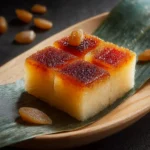
Glutinous Rice Cake
- Total Time: 50 minutes
- Yield: 12 servings 1x
- Diet: Vegetarian
Description
A deliciously chewy glutinous rice cake enhanced with a rich coconut flavor.
Ingredients
Scale
- 2 cups glutinous rice flour
- 1 cup sugar
- 2 large eggs
- 1 cup coconut milk
- 1 teaspoon baking powder
- 3 tablespoons butter
- 1 teaspoon optional flavorings (e.g., vanilla, sesame, citrus zest)
Instructions
- Preheat your oven to 350°F (175°C) and grease a baking dish.
- Whisk together the eggs and sugar in a large mixing bowl until combined and frothy.
- Mix in the melted butter or oil and coconut milk until smooth and creamy.
- Gradually combine the glutinous rice flour and baking powder until you have a thick, lump-free batter.
- Pour the batter into the prepared baking dish and bake for 30-35 minutes until golden.
- Cool the cake for 10-15 minutes before slicing into squares or wedges.
Notes
- Serve warm for the best texture.
- This cake can be enjoyed plain or with additional toppings such as shredded coconut or fruit.
- Prep Time: 15 minutes
- Cook Time: 35 minutes
- Category: Dessert
- Method: Baking
- Cuisine: Asian
Nutrition
- Serving Size: 1 square
- Calories: 250
- Sugar: 18g
- Sodium: 150mg
- Fat: 10g
- Saturated Fat: 6g
- Unsaturated Fat: 4g
- Trans Fat: 0g
- Carbohydrates: 38g
- Fiber: 1g
- Protein: 3g
- Cholesterol: 70mg