Follow Me On Social Media!
Perfect Homemade Ciabatta: Soft & Crusty Bliss Awaits

Introduction to Perfect Homemade Ciabatta Bread Recipe – Soft & Crusty
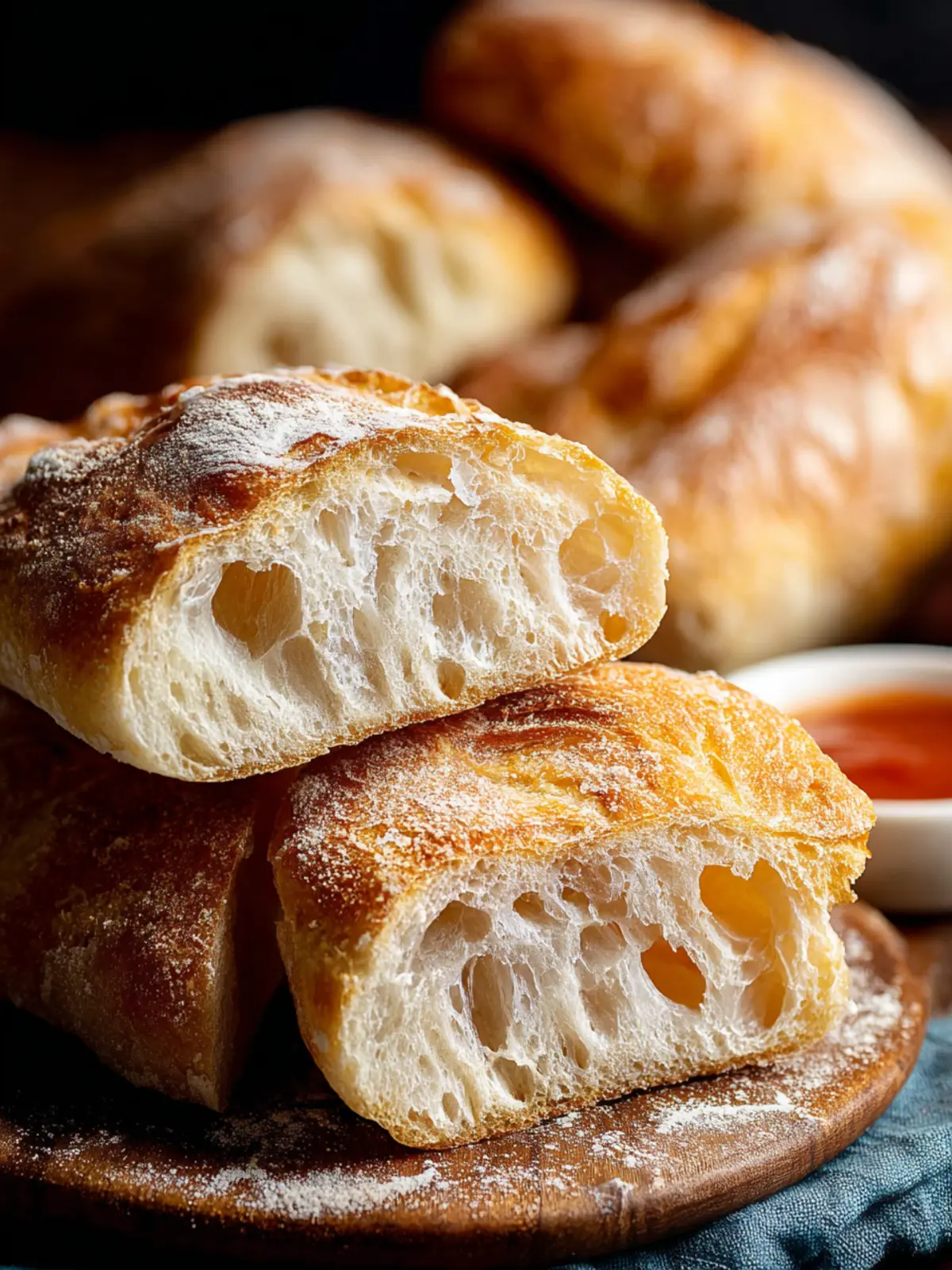
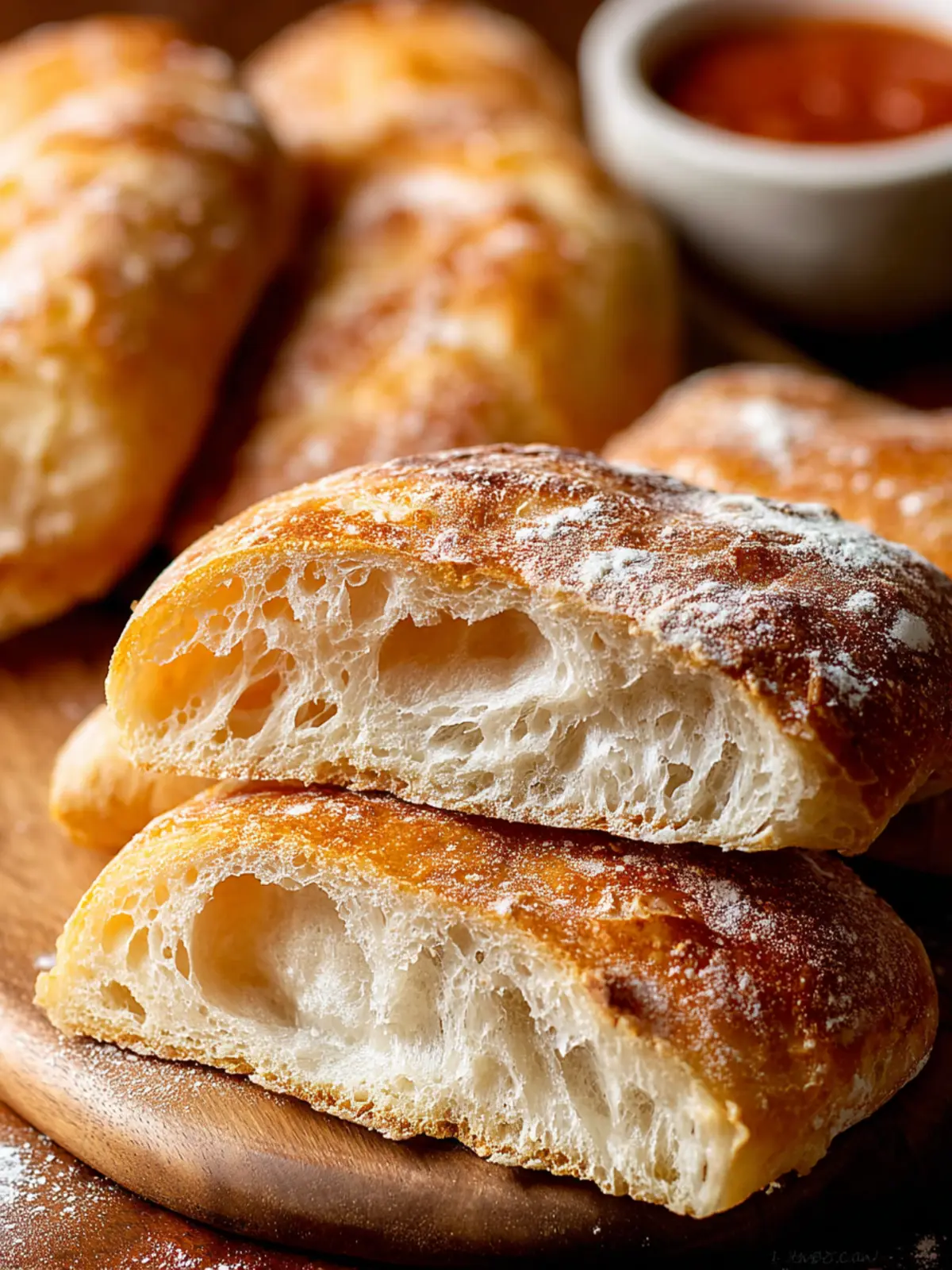
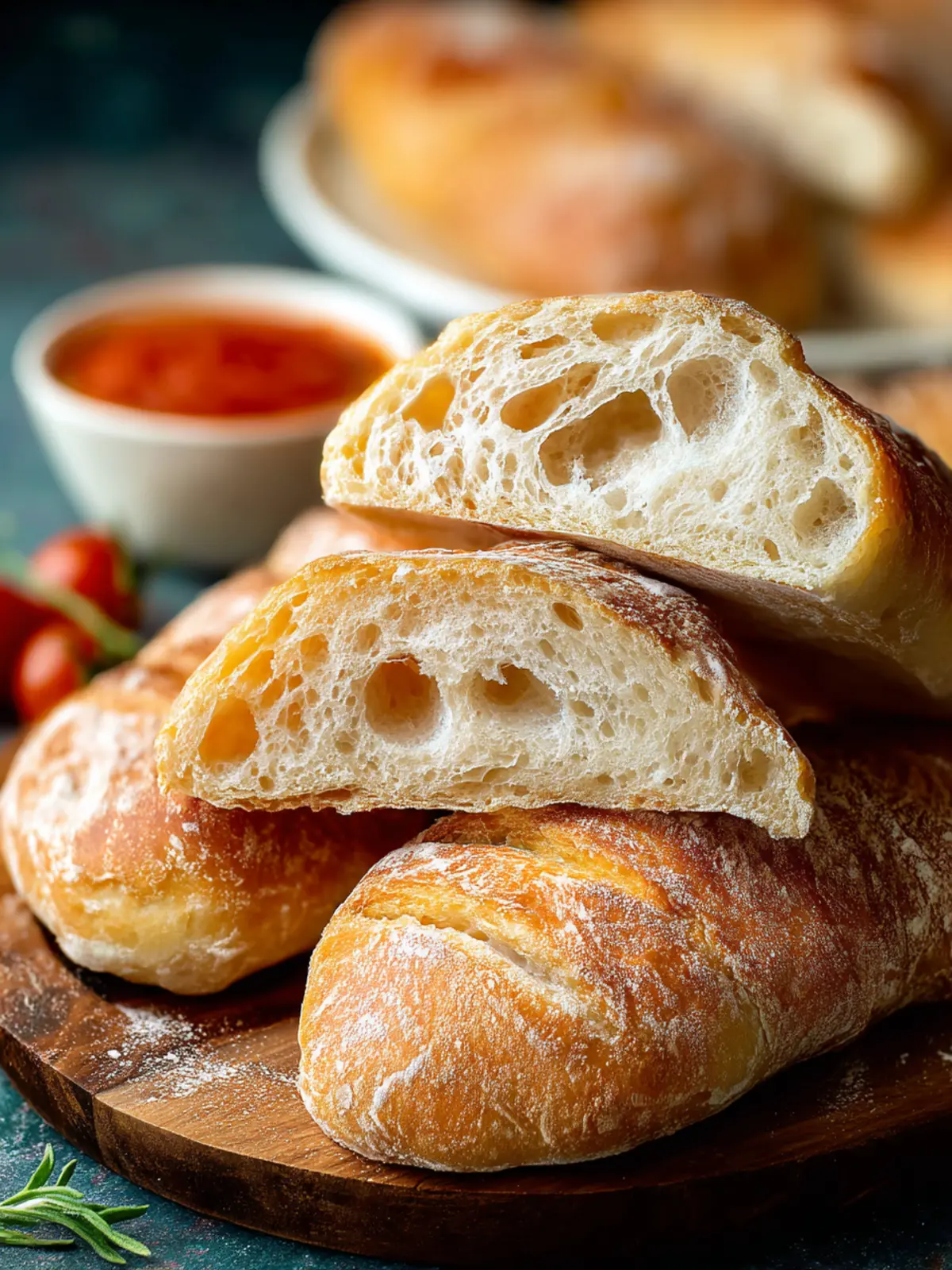
There’s something incredibly satisfying about pulling apart a loaf of perfect homemade ciabatta, isn’t there? This rustic Italian bread, known for its airy crumb and crackly crust, beckons with the promise of flavor and texture that store-bought varieties simply can’t match. The tactile sensation of its crusty exterior giving way to a soft, pillowy interior is what many consider pure bliss. Whether you’re crafting a flavorful sandwich, serving alongside a hearty soup, or simply enjoying it with a drizzle of olive oil and balsamic vinegar, this ciabatta will elevate any dining experience.
The secret to achieving that coveted soft and crusty texture lies in a few fundamental techniques. Unlike traditional bread-making methods, ciabatta utilizes a wet dough, resulting in an open crumb structure that creates those delightful air pockets. It may seem daunting at first, but the charm of baking your own ciabatta is that the process itself is incredibly rewarding. Each step invites you to engage with the ingredients, enhancing your understanding of how they work together to create something magical.
Why Ciabatta? The Allure of Soft and Crusty Bread
The appeal of ciabatta is more than just its airy texture and crusty exterior; it’s deeply rooted in its Italian heritage. Originating from the region of Tuscany, this bread encapsulates a sense of tradition and craftsmanship. Imagine enjoying a slice of fresh, homemade ciabatta on a lazy Sunday morning, perhaps with a splash of fresh basil pesto or a bite of creamy cheese.
But why stop there? Consider how versatile ciabatta can be. It can be transformed into a panini, absorbed into hearty soups, or simply savored on its own. Plus, the satisfaction of saying you baked it yourself? That’s a reward in itself. In a world where convenience often takes precedence, baking your own ciabatta allows you to take control and treat yourself and your loved ones to a genuinely authentic experience.
Now, let’s delve into how to create your very own perfect homemade ciabatta in a few simple yet rewarding steps. You’ll soon discover that this beautiful bread is not just about the end product; it’s about the joy of the journey from dough to deliciousness.
Key Ingredients for Perfect Homemade Ciabatta Bread
Perfect homemade ciabatta begins with the right ingredients, each playing a vital role in creating that beloved texture and flavor. Let’s break down these essential components.
All-Purpose Flour: The Foundation of Structure
All-purpose flour is my go-to for ciabatta. With a balanced protein content, it provides the perfect structure for that chewy, airy texture we seek. If you want an even more artisan feel, consider mixing in a bit of bread flour to enhance the crust and crumb.
Active Dry Yeast: The Secret to Fluffy Loaves
To achieve a light, airy loaf, active dry yeast is indispensable. This tiny powerhouse ferments the dough, creating air pockets that give ciabatta its characteristic lift. A little patience during the proofing phase goes a long way in developing flavor.
Sea Salt: Enhancing Flavor and Texture
Sea salt is crucial—not just for seasoning, but for strengthening gluten. It draws moisture and ensures the dough retains its structure, contributing depth of flavor. Skip table salt; its purity can dull the taste.
Extra Virgin Olive Oil: Adding Richness and Moisture
A splash of extra virgin olive oil brings a subtle richness to the dough. It helps keep the crust from becoming too hard while also enhancing the overall flavor. Trust me, a quality oil makes all the difference.
Lukewarm Water: The Essential Activation Agent
Finally, don’t underestimate lukewarm water. It activates the yeast, ensuring a bubbly rise. Aim for water around 100°F (37°C) – it’s just warm enough to encourage fermentation without cooking the yeast.
With these ingredients in hand, you’re well on your way to creating perfect homemade ciabatta that’s sure to impress!
Why You’ll Love This Perfect Homemade Ciabatta Bread Recipe
Flavor and Aroma: Transform Your Kitchen into a Bakery
Imagine the aroma of fresh-baked perfect homemade ciabatta wafting through your kitchen, instantly elevating your home environment. The blend of olive oil and flour creates a delightful scent that lingers, tempting everyone to gather around the oven. This bread offers a slightly nutty flavor, thanks to the use of high-quality flour, paired with that characteristic crisp crust that perfectly complements the soft, airy interior. Each bite is a reminder of why homemade bread is simply irresistible.
The Joy of Homemade Bread: Embrace the Process
Creating your perfect homemade ciabatta is not just about the end product; it’s about the journey. Mixing the ingredients, watching the dough rise, and the excitement of shaping it—these moments foster a connection to your food that is often missing in store-bought alternatives. Feel the satisfaction that comes from kneading the dough and the rewarding patience as it ferments overnight. It’s a calming ritual that turns an ordinary day into something special.
Versatility: Perfect for Sandwiches, Dipping, or as a Side
One of the greatest joys of perfect homemade ciabatta is its versatility. Whether you slice it for sandwiches, tear it for dipping into olive oil or soup, or simply use it as a side for your favorite pasta dish, this bread adapts to every meal. Its flavor and texture make it a crowd-pleaser, ensuring that it won’t last long on the table. With so many possibilities, you’ll find yourself baking it again and again!

Variations on the Perfect Homemade Ciabatta Bread
When you experience the joy of baking perfect homemade ciabatta bread, you might just find yourself wanting to explore a variety of flavors. After all, the delightful aroma of fresh bread can inspire some culinary creativity. Here are a few variations that will surely elevate your bread game.
Herb-Infused Ciabatta: Elevating with Fresh Flavors
To create a herb-infused ciabatta, simply mix in your favorite fresh herbs—like rosemary, thyme, or basil—into the dough. Chopping the herbs finely will allow their vibrant flavors to infuse throughout the loaf, making every bite burst with freshness. It’s a great way to add excitement to your perfect homemade ciabatta, perfect for sandwiches or as an accompaniment to soups.
Garlic Ciabatta: A Delicious Twist with Every Bite
Imagine biting into a garlic ciabatta loaf that’s oozing with flavor. For this variation, incorporate roasted garlic or minced fresh garlic directly into the dough. You can also brush the baked bread with melted garlic butter for an extra punch. This transform your perfect homemade ciabatta into a statement piece for dinner parties or cozy meals at home.
Whole Wheat Ciabatta: A Nutty Alternative
If you’re looking for a healthier twist, try making a whole wheat ciabatta. Replace part or all of the all-purpose flour with whole wheat flour. The result is a nutty flavor and a heartier texture. Plus, it’s packed with nutrients and will pair wonderfully with cheeses and spreads, allowing you to enjoy your perfect homemade ciabatta while benefiting your health.
These variations will not only keep your baking exciting but also impress anyone fortunate enough to taste your creations. Happy baking!
Cooking Tips and Notes for Perfect Homemade Ciabatta Bread
Making perfect homemade ciabatta isn’t just about following a recipe; it’s an engaging journey of textures and flavors. Let’s dive into some tips that ensure your bread comes out soft, crusty, and utterly delightful.
Kneading Techniques for the Best Texture
Kneading is your secret weapon in achieving that coveted ciabatta texture. Instead of the traditional push-and-fold method, try using a stretch-and-fold technique. This gentle approach develops gluten while keeping the dough airy and light. Remember to use a bench scraper if the dough sticks, and keep your hands lightly floured to avoid frustration.
Understanding Fermentation: Timing is Everything
Fermentation is crucial in developing flavor and texture in your ciabatta. For the best results, consider cold fermentation. After mixing, let the dough rise in the refrigerator overnight. This slow process enhances the taste and gives you that chewy crumb that elevates your bread game. Aim for a total fermentation time of about 12-16 hours.
How to Achieve the Perfect Crispy Crust
The secret to a perfect homemade ciabatta crust lies in steam. When baking, place a shallow pan of water on the bottom oven rack to create steam, which gives the bread its lovely, crispy exterior. Additionally, bake at a high temperature for the first 10 minutes before reducing it slightly. This technique will give you the texture you desire—a crust that’s golden, crispy, and simply irresistible.
With these tips, you’re set to create ciabatta that impresses and delights, turning any meal into something exceptional. Happy baking!
Serving Suggestions for Perfect Homemade Ciabatta Bread
Finding ways to enjoy your perfect homemade ciabatta can transform this delightful bread into the centerpiece of your meals. The airy texture and crispy crust provide endless serving possibilities.
Enjoying with Olive Oil and Balsamic Vinegar
One of the simplest and most delicious ways to savor your freshly baked ciabatta is by dipping it in high-quality extra virgin olive oil paired with balsamic vinegar. The rich, fruity flavors of the oil combined with the tangy sweetness of vinegar create a harmonious contrast. For an added touch, sprinkle some fresh herbs or sea salt on your olive oil blend. It’s a perfect appetizer for gatherings or just a cozy evening at home.
Pairing Ideas: Soups and Stews that Complement Ciabatta
The versatility of perfect homemade ciabatta makes it a fantastic accompaniment to a variety of soups and stews. Whether it’s a hearty minestrone, creamy tomato basil, or a robust beef stew, ciabatta’s texture allows it to soak up all those wonderful flavors without losing its shape. Serve slices alongside your dish or use it to create the perfect makeshift crouton.
Transforming Leftover Ciabatta into a Tasty Bruschetta
Don’t let any leftover ciabatta go to waste! Revitalize it by making bruschetta. Simply slice the bread, toast it until golden, then top with diced tomatoes, basil, garlic, and a drizzle of balsamic reduction. This easy recipe not only clears your leftovers but also impresses any guests with a burst of fresh flavors. Enjoy the satisfying crunch as you dive into this delightful treat!
Time Breakdown for Perfect Homemade Ciabatta Bread
When embarking on the journey of creating perfect homemade ciabatta bread, it’s essential to understand the time involved, so your efforts are well-spent. With a little patience and love, you can achieve that delightful crust and airy interior that makes ciabatta extraordinary.
Preparation Time
You’ll spend about 30 minutes gathering ingredients and mixing your dough. A little upfront organization goes a long way in making the process smooth.
Rising Time
This is where the magic happens! The dough needs to rise for at least 8 hours, usually overnight, ensuring a deep flavor and delightful texture.
Baking Time
On baking day, set aside around 30 minutes for the bread to bake to perfection. Keep an eye on it for that lovely golden crust.
Total Time
In total, you’re looking at approximately 9 hours of time from start to finish, but with most of that being hands-off waiting. You’ll be rewarded with crusty, soft ciabatta that makes every effort worth it!
Nutritional Facts for Perfect Homemade Ciabatta Bread
When you set out to create a perfect homemade ciabatta, understanding its nutritional value can enhance your baking adventure. This traditional Italian bread not only offers delightful textures but also provides essential nutrients.
Calories per Slice
A single slice of your homemade ciabatta typically contains around 120 calories. This makes it a satisfying addition to any meal without overwhelming your daily caloric intake.
Protein Content
Each slice boasts about 4 grams of protein. While it’s not a high-protein food, this little boost can help keep you feeling full, especially if you pair it with protein-rich toppings.
Sodium Levels
The sodium content in a slice of ciabatta usually hovers around 200 mg. This moderate level means you can enjoy it as part of a balanced diet without worrying too much about excess salt.
Creating the perfect homemade ciabatta is not just about the taste but also about making informed choices on its nutritional profile. Enjoy your baking!
FAQs about Perfect Homemade Ciabatta Bread Recipe
Creating the perfect homemade ciabatta isn’t just about mixing flour and water; it’s a delightful journey that many home bakers undertake. Whether you’re a seasoned pro or a newbie, you may have some burning questions. Let’s dive into some frequently asked questions to help you navigate your bread-making adventure.
How can I ensure my dough rises properly?
To achieve that light, airy ciabatta, the rising process is crucial. First, make sure your yeast is fresh and active. You can test this by proofing it in warm water with sugar—you should see bubbles forming within a few minutes. Additionally, keep your dough in a warm environment while it rises. A tip from the pros: placing your bowl in a turned-off oven with just the light on can create the perfect cozy atmosphere for rising.
Can I freeze homemade ciabatta bread?
Absolutely! Freezing is a great way to preserve the perfect homemade ciabatta. After the bread has completely cooled, wrap it tightly in plastic wrap or aluminum foil, then place it in a freezer bag. When you’re ready to enjoy it, simply thaw it at room temperature or reheat it straight from the freezer in a preheated oven to revive that fresh-baked taste.
What should I do if my bread is too hard?
If you find that your ciabatta has turned out too hard, don’t fret. It’s likely overbaked or not stored properly. You can try rejuvenating it by wrapping the loaf in a damp kitchen towel and placing it in the microwave for about 10 seconds. For a more effective method, lightly spritz the crust with water and reheat it in the oven at a low temperature (around 300°F) for about 10 minutes. This should help restore that delightful softness!
Conclusion on Perfect Homemade Ciabatta Bread Recipe
Embracing the Art of Bread-Making
Creating perfect homemade ciabatta is not just about the ingredients or the methods but an experience that connects you with the essence of baking. The aroma of freshly baked bread wafting through your kitchen is an invitation for anyone nearby to gather and share in the joy. Remember, the secret lies in patience and practice; let each rising moment teach you something new. Serve your ciabatta warm, and delight in the soft, airy texture, complemented by its beautifully crusty exterior. With a little dedication, you’ll soon find that making this beloved bread can be one of life’s most rewarding culinary adventures. Happy baking!
Print
Homemade Bread
- Total Time: 50 minutes
- Yield: 2 loaves 1x
- Diet: Vegetarian
Description
Delicious homemade bread that is perfect for any meal.
Ingredients
Scale
- 4 cups all-purpose flour
- 1 ½ cups lukewarm water
- 2 tsp active dry yeast
- 2 tsp sea salt
- 2 tbsp extra virgin olive oil
Instructions
- Activate the Yeast: In a small bowl, mix lukewarm water with active dry yeast and a pinch of sugar. Let it sit for 5-10 minutes until frothy.
- Mix the Dough: In a large bowl, combine flour and salt. Make a well in the center and pour in the yeast mixture along with olive oil. Stir until sticky dough forms.
- Knead: Transfer dough to a floured surface and knead gently for 8-10 minutes until smooth and elastic.
- First Rise: Place dough in a greased bowl, cover, and divide into two pieces and shape into oblong loaves.
- Final Rise & Bake: Transfer loaves onto parchment-lined sheets. Cover and let rise for 30 minutes while preheating oven to 425°F (220°C). Bake for 25-30 minutes until golden brown.
Notes
- Make sure the water is lukewarm, not hot, to avoid killing the yeast.
- Store leftover bread in a sealed bag to keep it fresh.
- Prep Time: 20 minutes
- Cook Time: 30 minutes
- Category: Breads
- Method: Baking
- Cuisine: General
Nutrition
- Serving Size: 1 slice
- Calories: 150
- Sugar: 0
- Sodium: 290
- Fat: 2
- Saturated Fat: 0
- Unsaturated Fat: 1
- Trans Fat: 0
- Carbohydrates: 30
- Fiber: 1
- Protein: 4
- Cholesterol: 0